
RFID provides hospitals with accurate, real-time tracking of medical supplies, equipment, and medications. IoT sensors can monitor stock levels, while AI-driven predictive analytics can help forecast supply needs and optimize reorder cycles, reducing the risk of stockouts or wastage.

RFID integrated with IoT allows businesses to track inventory across multiple locations and throughout the entire supply chain. AI can optimize the flow of goods, predict delays, and ensure timely restocking, ultimately improving supply chain efficiency and reducing stockouts by up to 30%.

RFID provides retailers with end-to-end visibility of inventory. When coupled with IoT, AI, and ML, businesses can track every item in real time, predict demand, and optimize stock levels across multiple locations. This helps prevent out-of-stock situations, reduce shrinkage, and improve sales while boosting customer satisfaction.

Ports rely on critical equipment like cranes, forklifts, trailers, and handling units. RFID tags on these assets enable real-time tracking of location, utilization, and movement history. This improves equipment availability, prevents unauthorized usage, and ensures better resource allocation.

RFID helps monitor and optimize truck movement inside port premises. RFID tags allow automatic logging at checkpoints such as gate entry, loading zone, weighbridge, and gate exit. This provides accurate TAT data, reduces congestion, and improves operational planning.

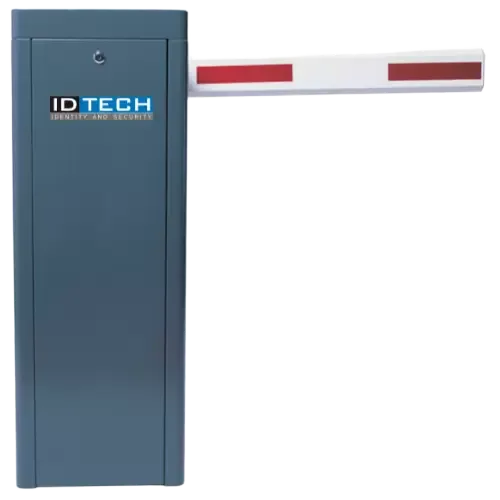
RFID integrated with weighbridge systems enables automatic vehicle/container identification and weight recording. The captured weight is directly linked with shipment records, reducing manual errors, speeding up processing, and ensuring compliance with cargo weight regulations.
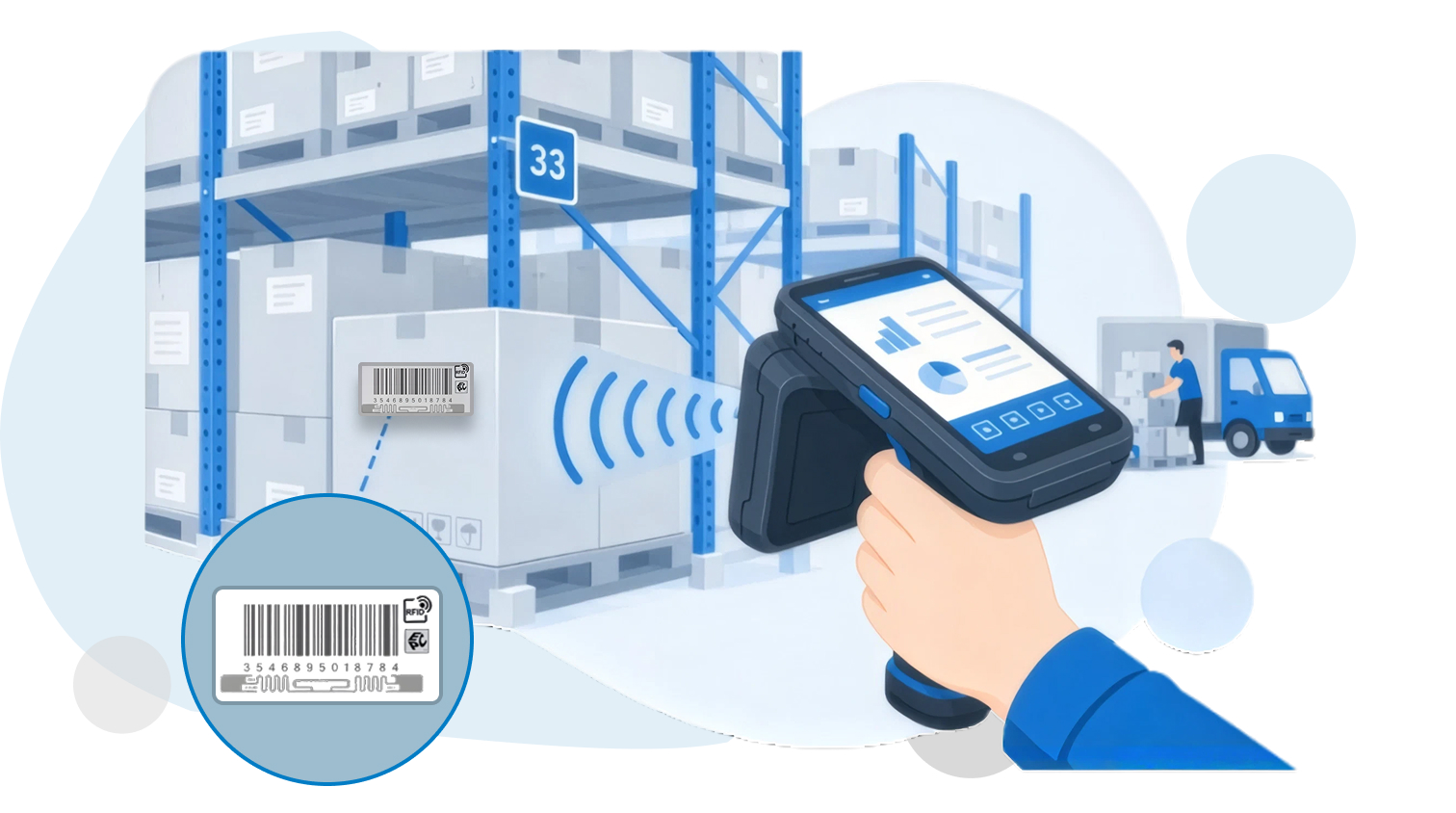
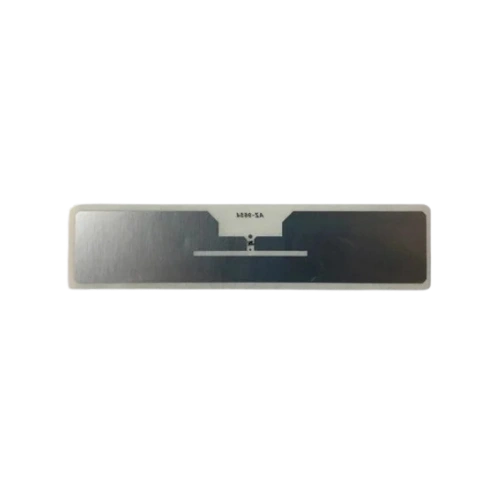
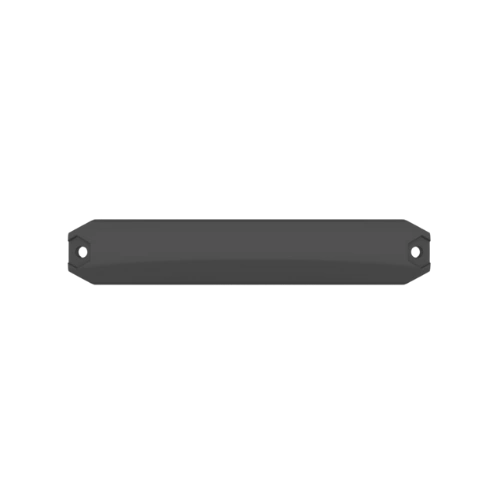
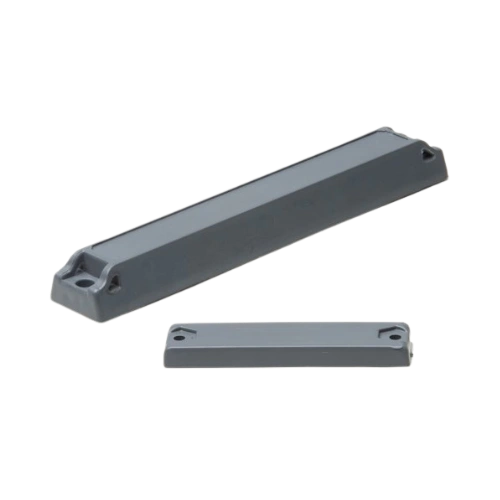
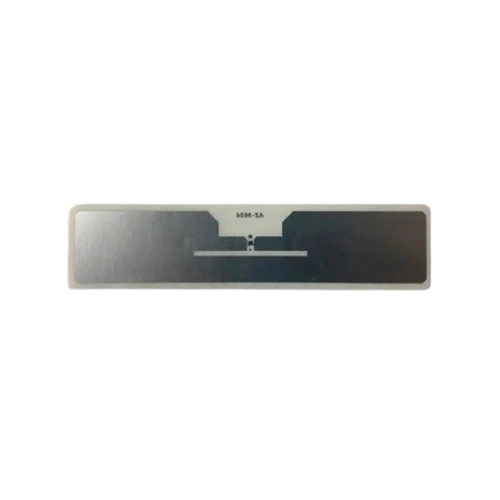
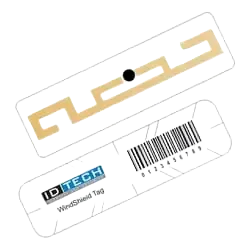
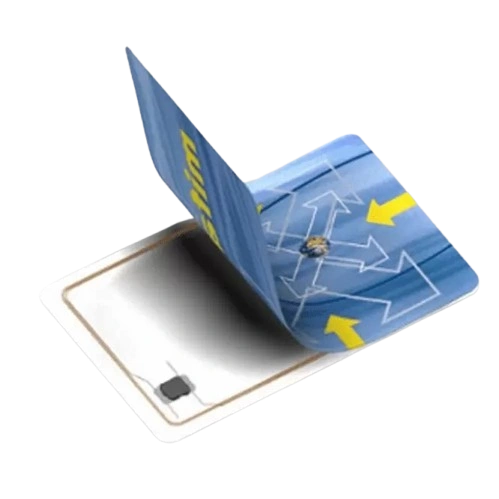
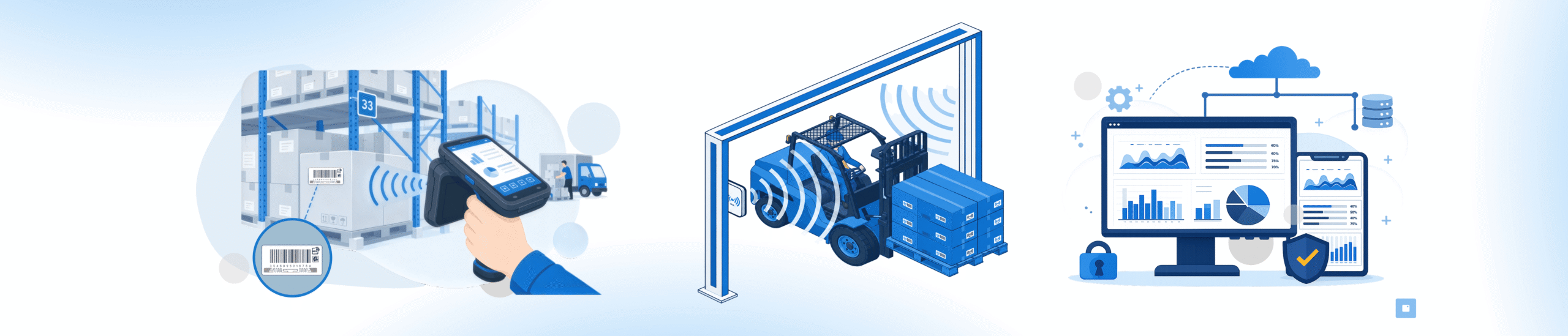
RFID tags are attached to inventory items, enabling unique identification. ID Tech's RFID tags are cost-effective, durable, and designed to suit various applications, from retail goods to industrial supplies.
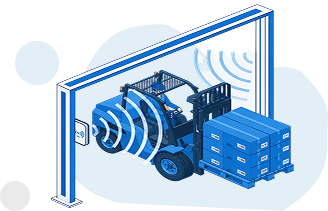
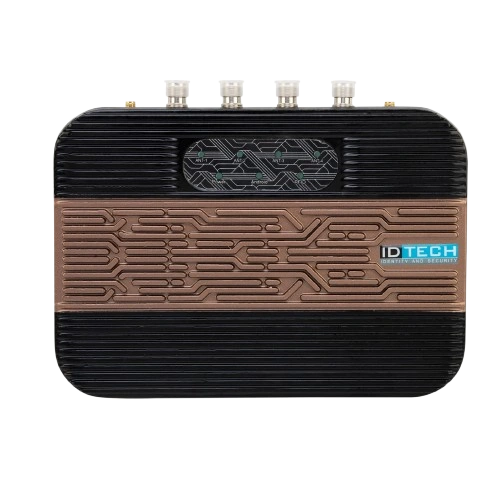
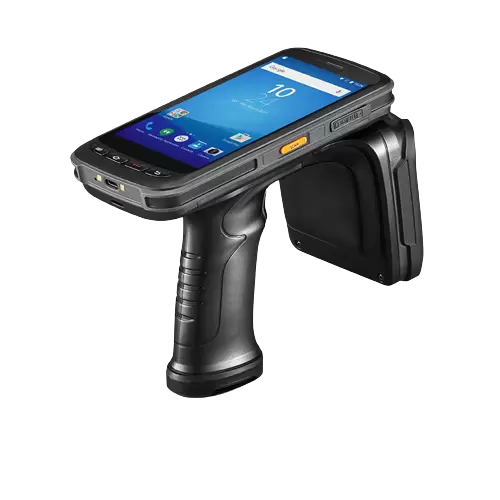
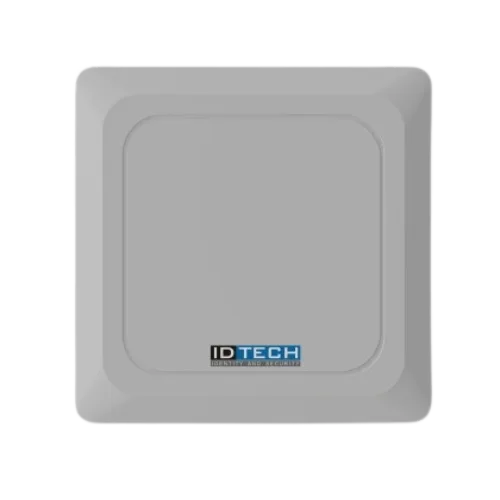
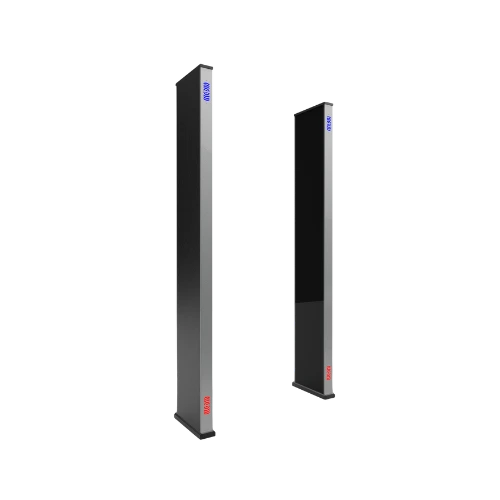
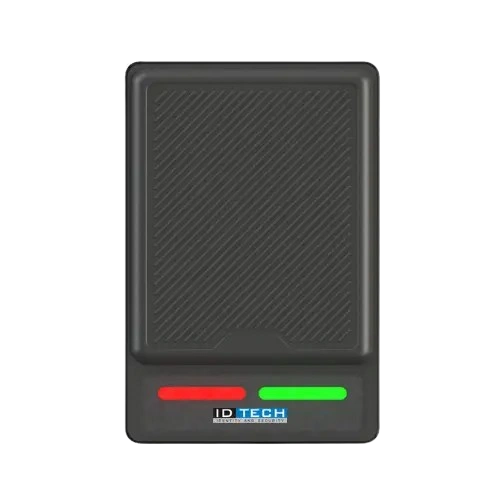
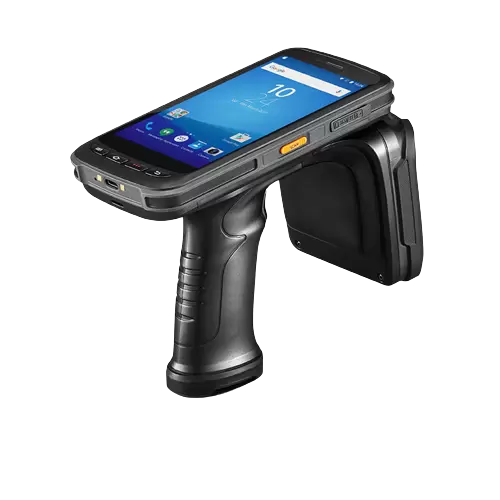
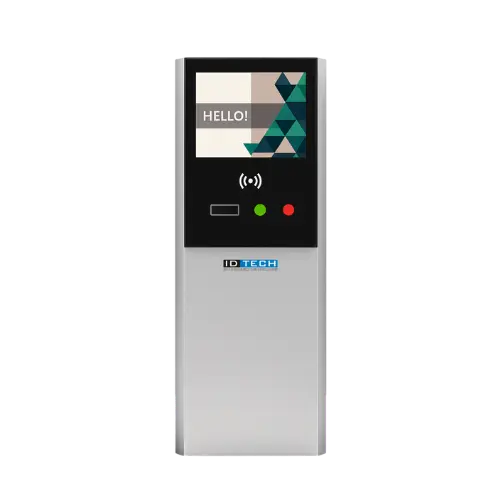
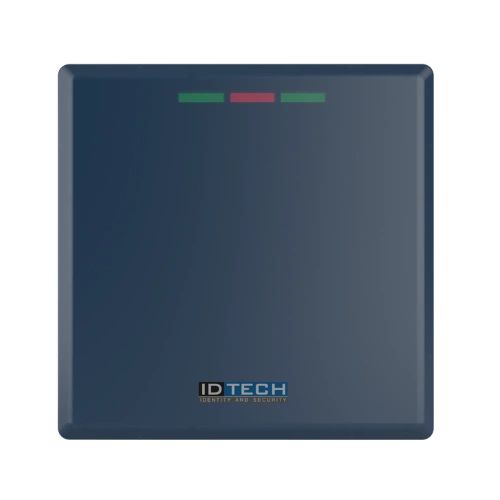
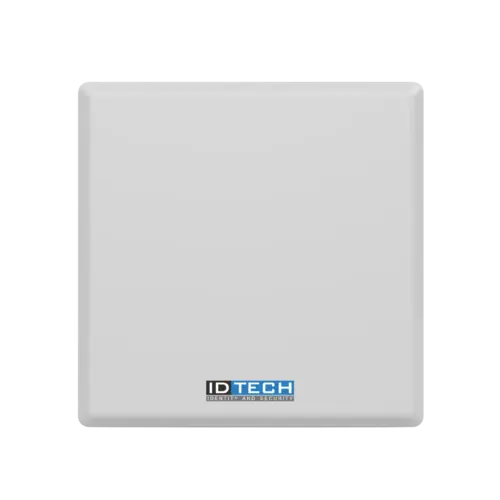
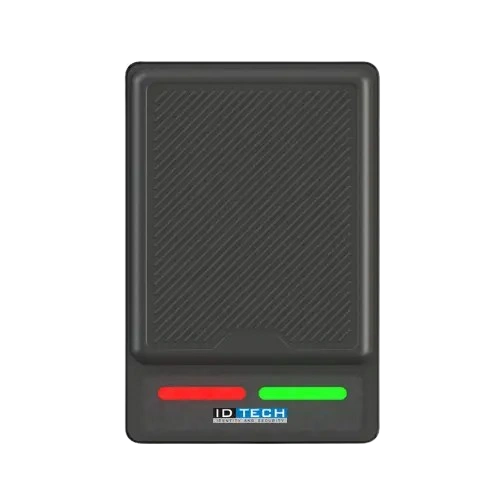
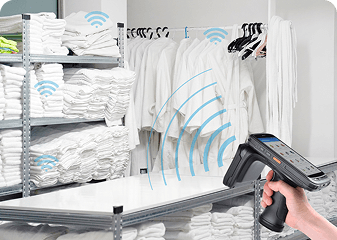
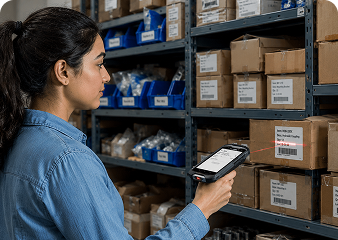
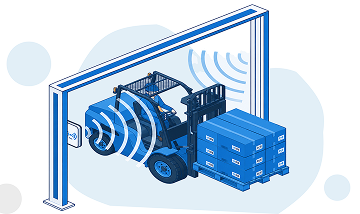
RFID readers capture data from tagged items. ID Tech offers a range of RFID readers, including handheld devices, fixed readers for shelves and cabinets, and doorway-mounted systems for automated tracking. These readers work seamlessly to identify, locate, and track inventory items in real time.
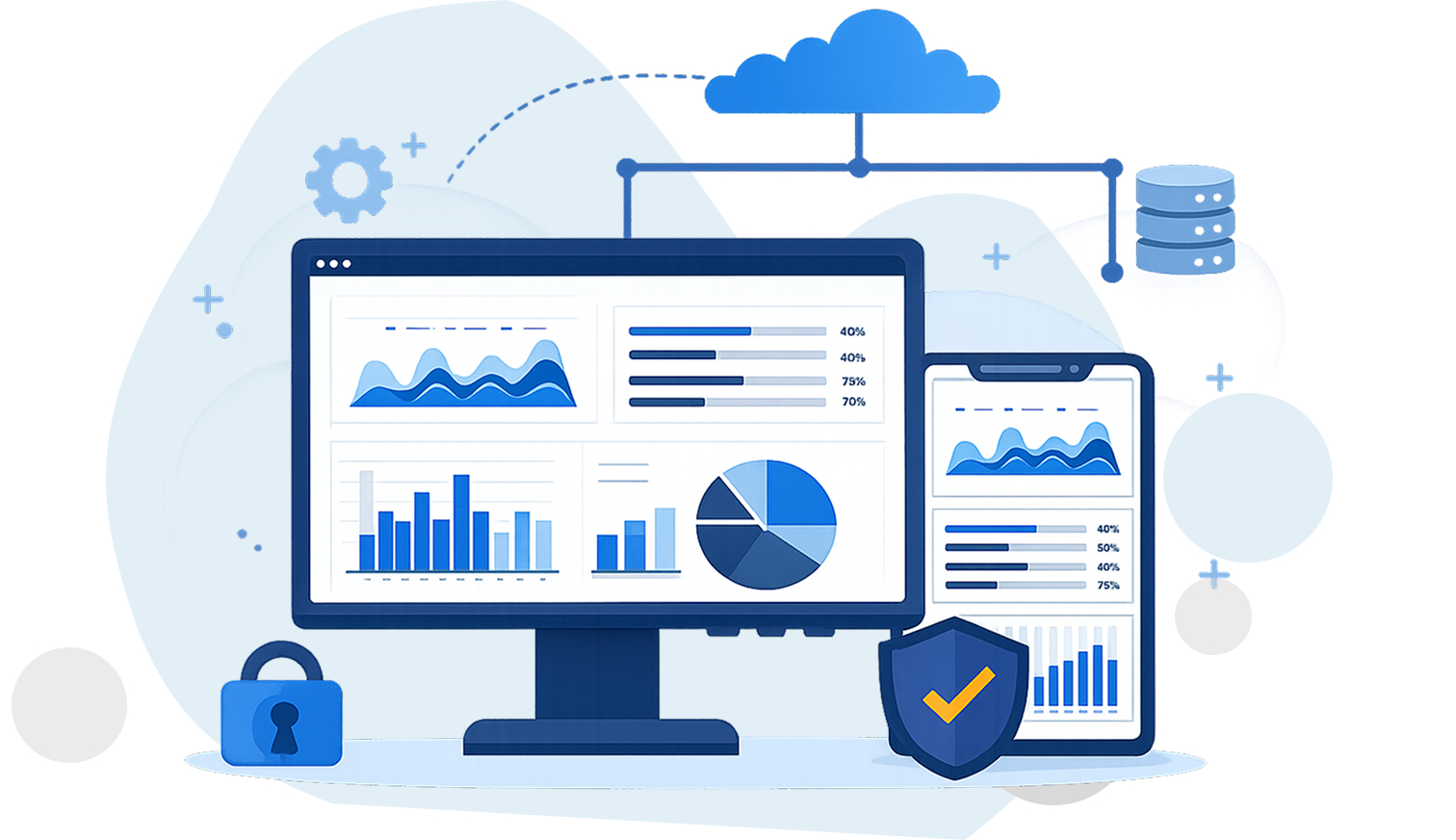
Collected data is transmitted to a central software platform integrated with enterprise systems like ERP or WMS. This integration provides real-time insights, enabling dynamic decision-making, automated alerts, and detailed analytics for better inventory control.
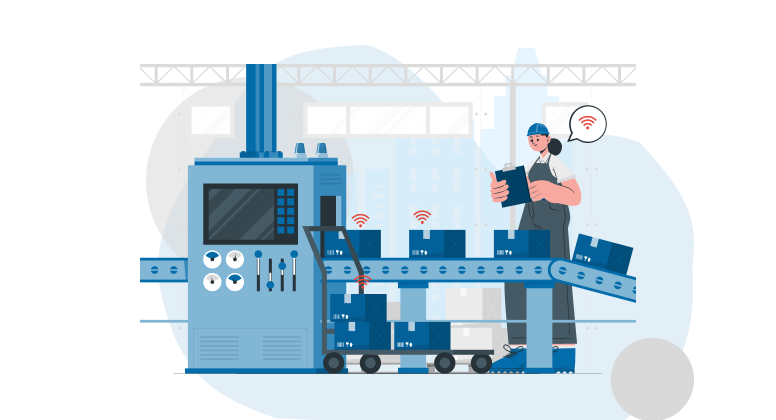
RFID infrastructure captures attendee movement and occupancy data across the venue, enabling live crowd monitoring and operational visibility.
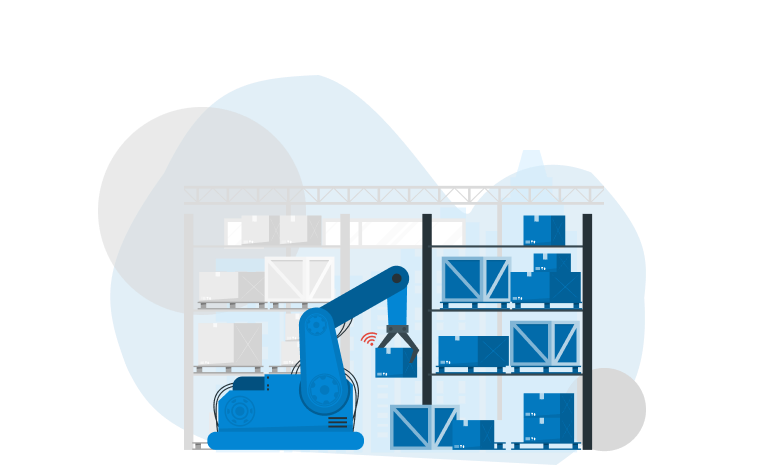
RFID and NFC-enabled credentials can support cashless payments, loyalty programs, digital interactions, and personalized attendee experiences during the event.

The system generates real-time insights on attendee flow, entry statistics, crowd density, and engagement trends for improved event management and decision-making.

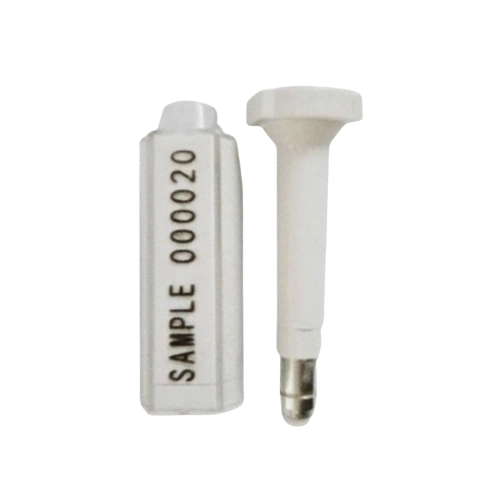
Tamper detection and unauthorized movement trigger real-time alerts through integrated sensors and APIs, notifying security personnel and logging events for audits.

RFID data feeds into centralized platforms like TOS or ERP systems, offering dashboards, role-based access, and cloud-based analytics for operational control and reporting.

AI-driven analytics use RFID data for predictive maintenance, identifying inefficiencies, and optimizing workflows, ensuring reduced downtime and enhanced productivity.

Track inventory movement and stock levels in real time across warehouses, retail stores, hospitals, and logistics operations.

Perform inventory audits and cycle counts significantly faster compared to manual or barcode-based processes.

Reduce stock mismatches and human errors with automated RFID-based inventory tracking.

Maintain optimized inventory levels through better visibility, accurate stock data, and faster replenishment decisions.

Quickly locate misplaced or missing items using RFID handheld readers and item-level tracking capabilities.

Monitor inventory movement across the entire supply chain for improved operational control and order fulfillment.

Automate inventory processes and minimize dependency on manual stock verification, scanning, and data entry.

Improve inventory security and reduce losses caused by theft, misplacement, or inventory discrepancies.

Improve warehouse productivity, inventory management speed, and overall business performance through intelligent inventory automation.