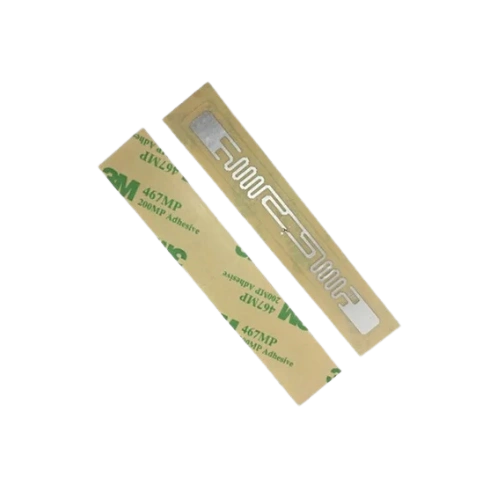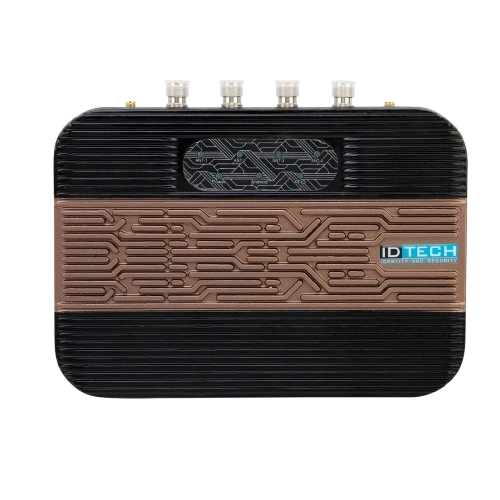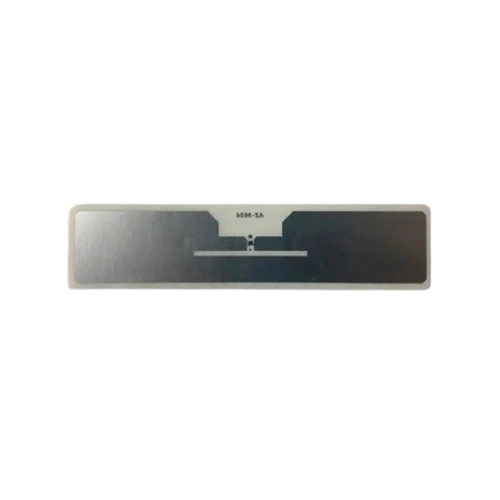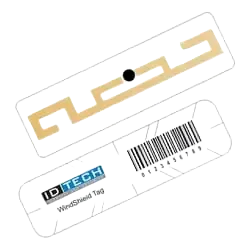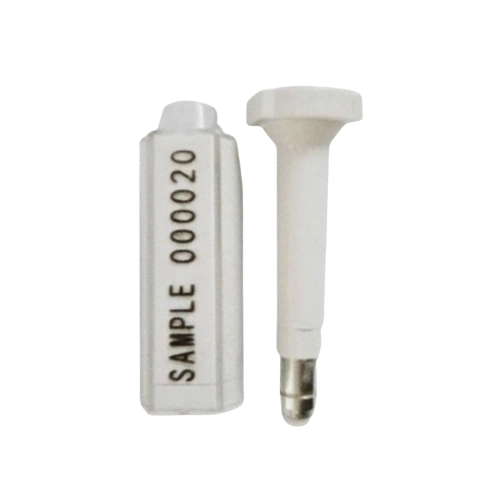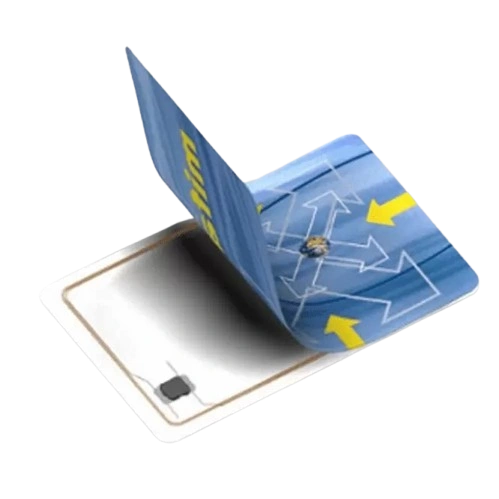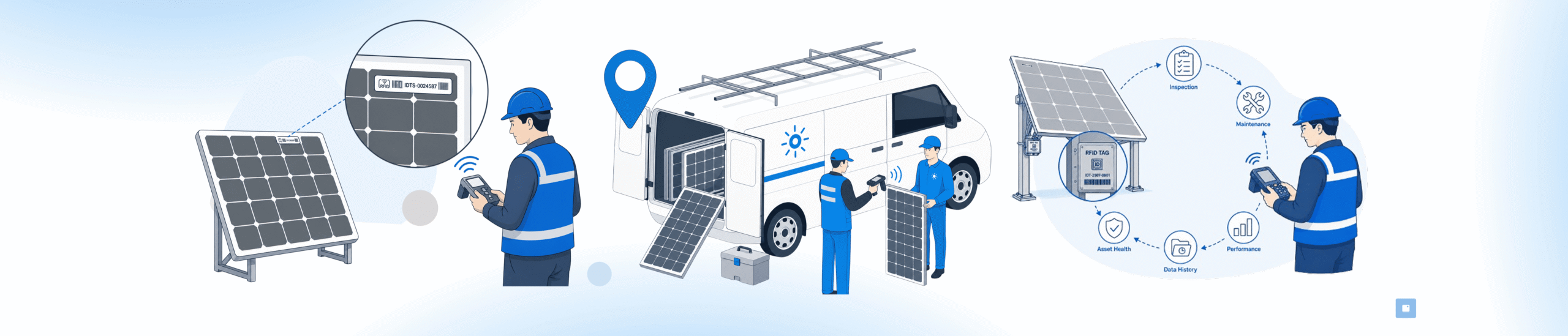
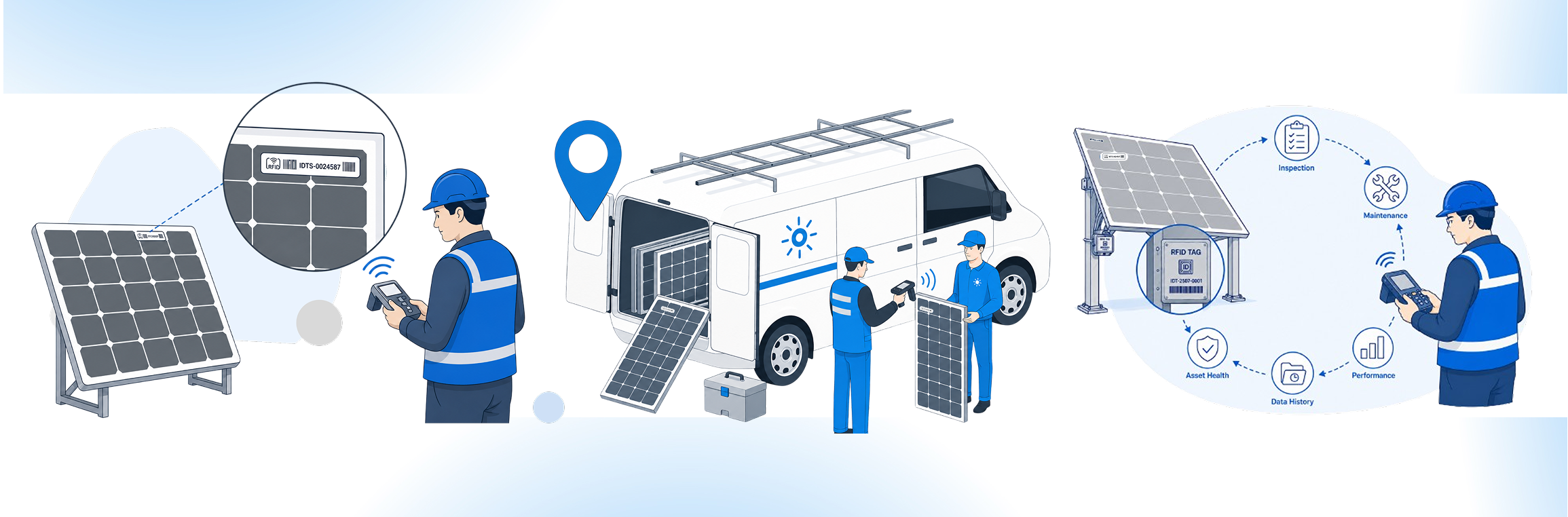
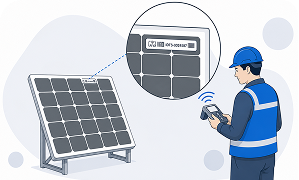
Each solar PV module is equipped with an MNRE-compliant RFID tag during the manufacturing process. This unique identifier enables traceability and ensures every module can be tracked throughout its lifecycle.

The RFID tag is encoded with critical information such as manufacturer details, serial number, wattage, manufacturing date, country of origin, and technical specifications. This creates a digital identity for each module.
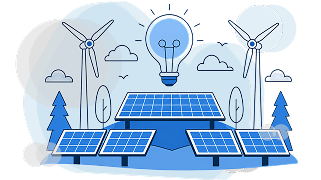
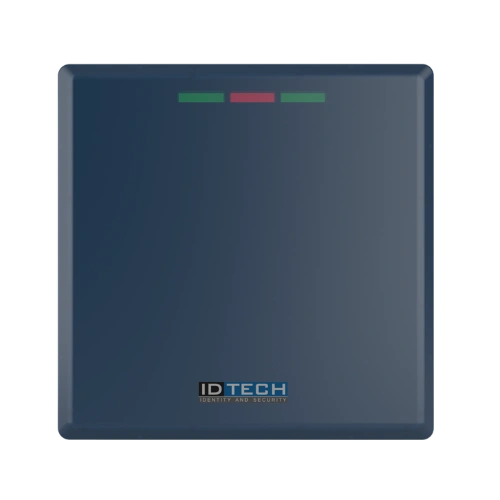
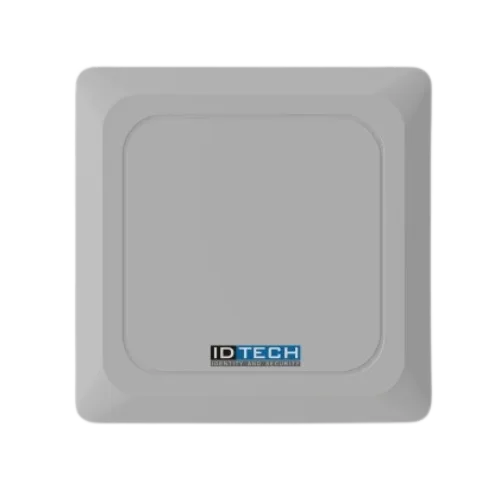
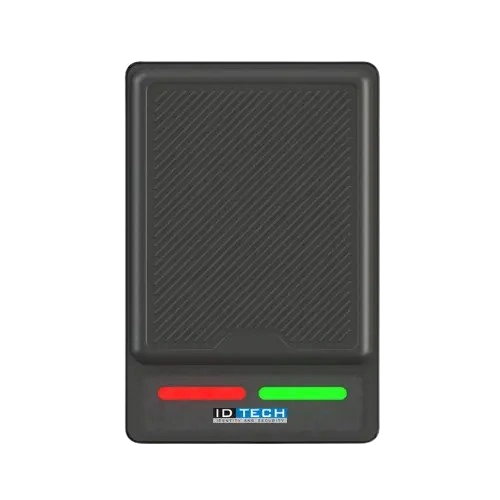
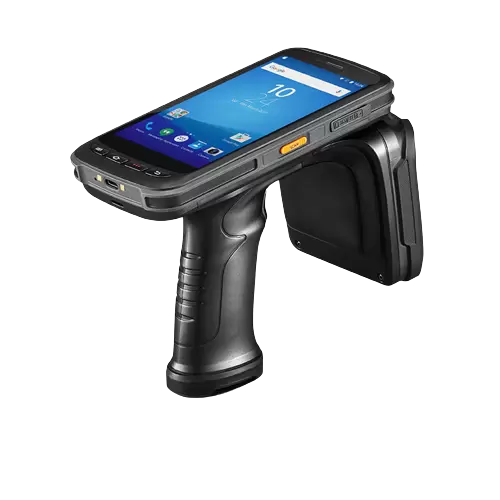
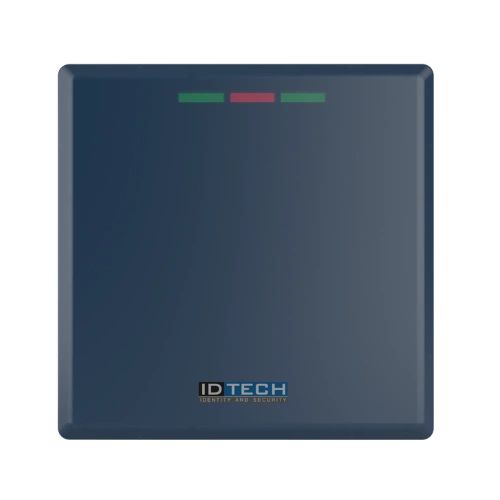
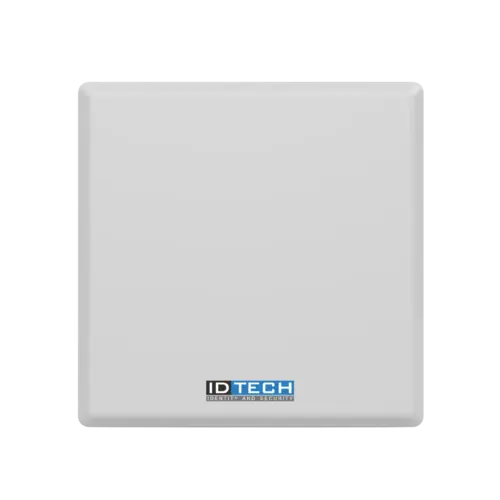
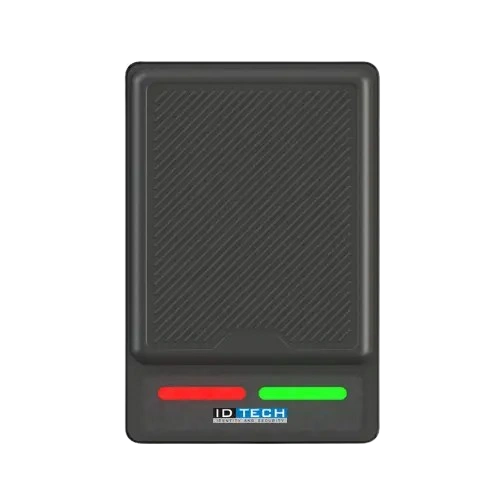
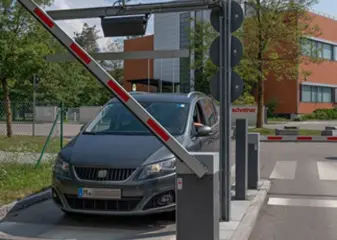
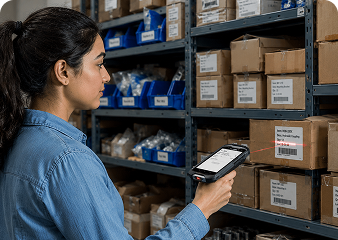
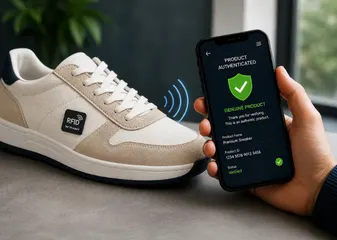
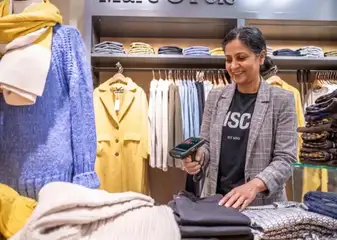
RFID readers verify module authenticity at various stages, including manufacturing, storage, dispatch, and deployment. This helps prevent duplication, counterfeiting, and unauthorized usage of solar panels.
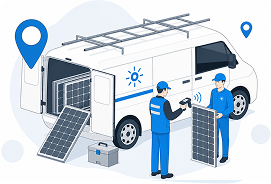
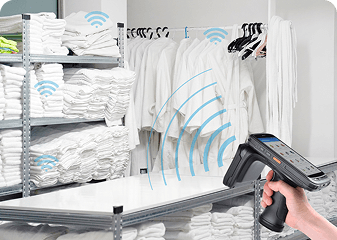
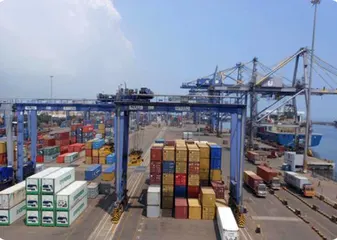
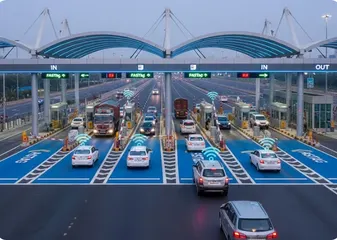
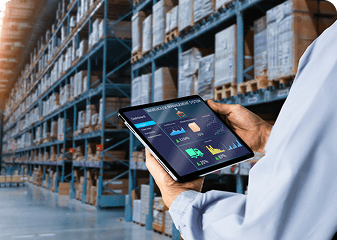
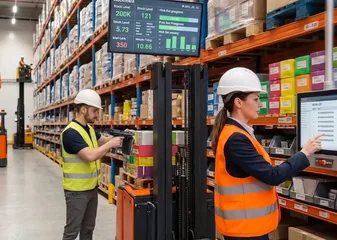
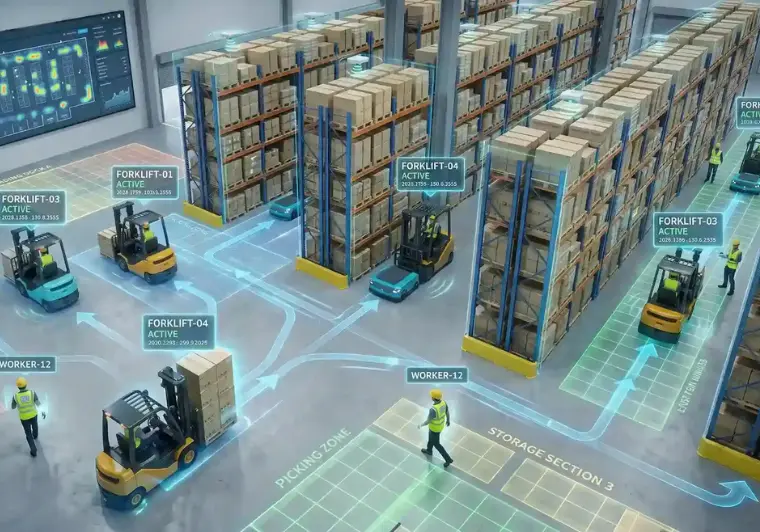
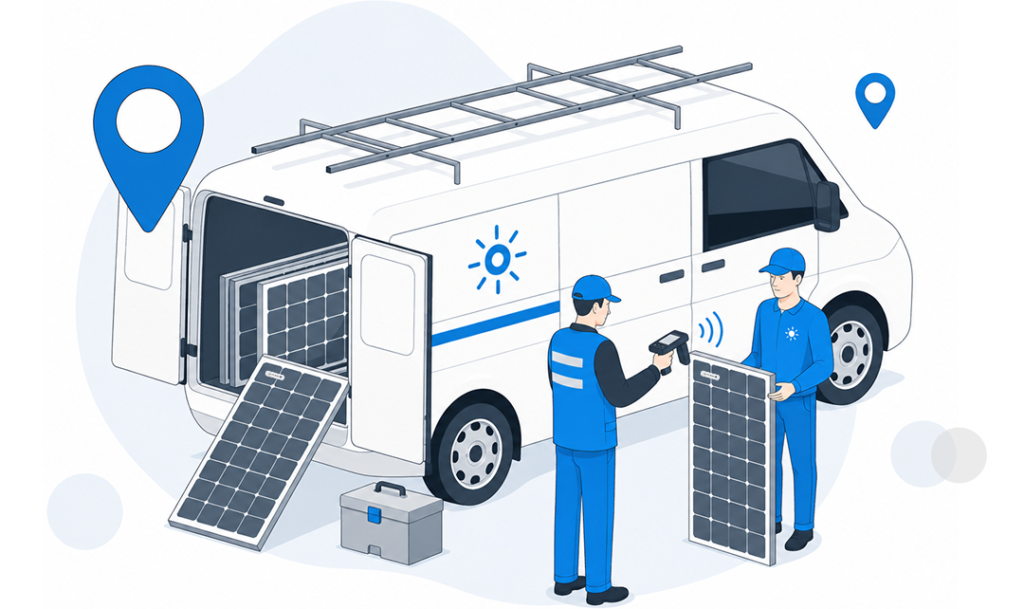
RFID technology enables real-time tracking of solar modules across warehouses, transportation networks, and project sites. This improves inventory visibility, accuracy, and stock management efficiency.
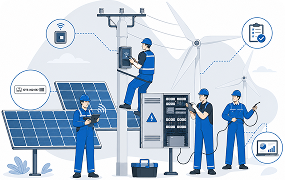
During installation, inspections, and regulatory audits, RFID readers instantly retrieve complete module information. This streamlines compliance verification, documentation, and reporting processes.
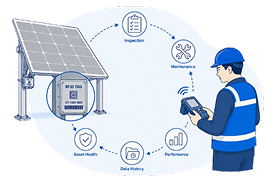
Maintenance records, inspection data, and performance-related information can be linked to each module's RFID identity. This supports long-term asset management, maintenance planning, and operational efficiency.

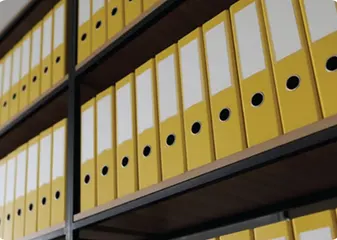
Ensure secure storage and quick retrieval of mandatory module information for regulatory compliance and audit readiness.

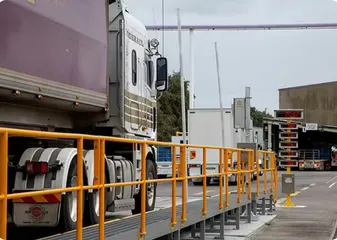
Track solar panels across manufacturing, logistics, installation, and maintenance operations with complete lifecycle visibility.

Each RFID-enabled panel carries a unique digital identity, helping prevent duplication, misuse, and subsidy-related fraud.

Enable instant identification and automated verification of solar modules during inspections and field audits.

Monitor panel movement, stock availability, and deployment status across warehouses and solar project sites.

Support digital traceability, smart energy infrastructure, and connected solar asset management initiatives through RFID-enabled lifecycle tracking.