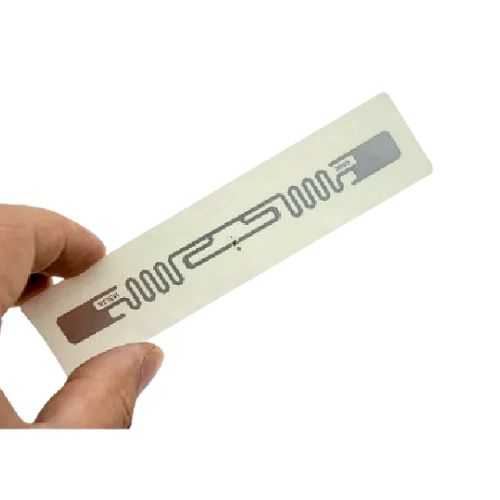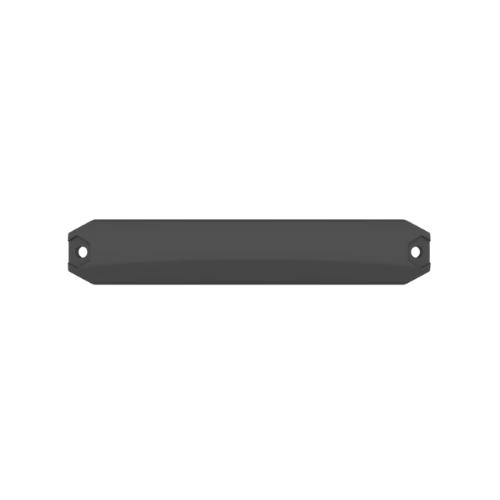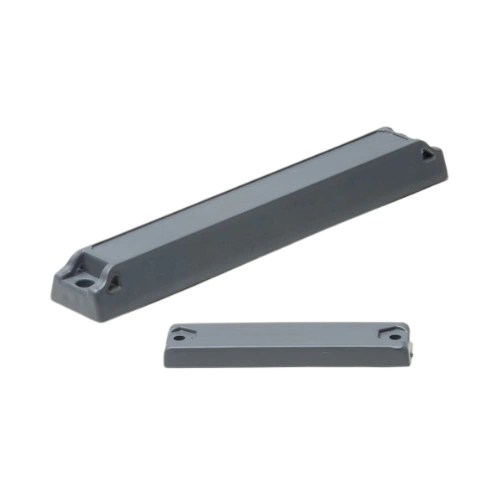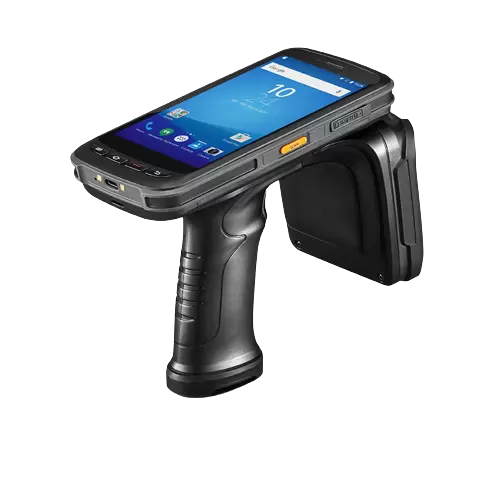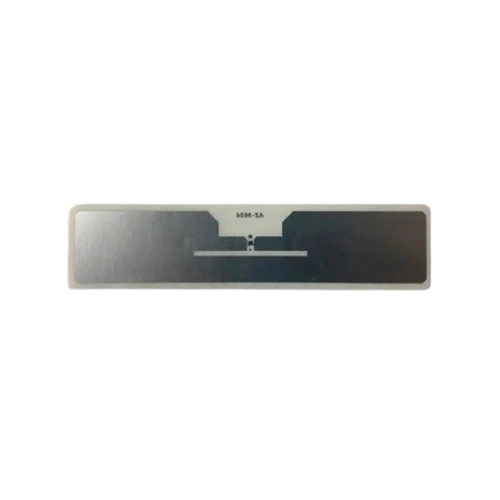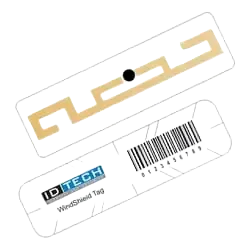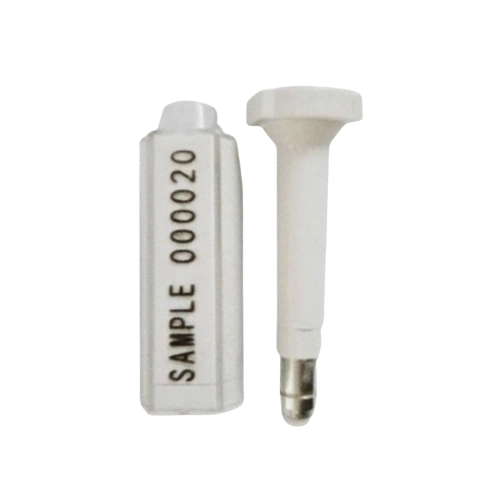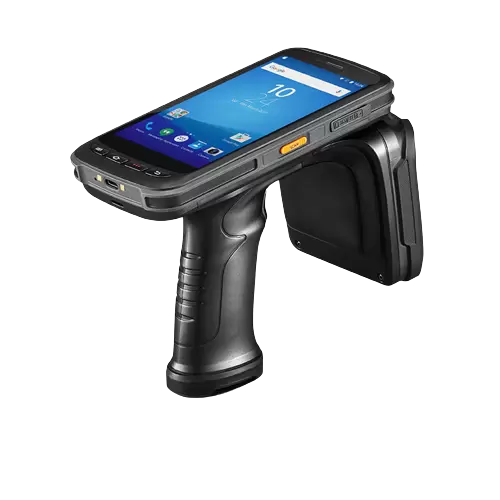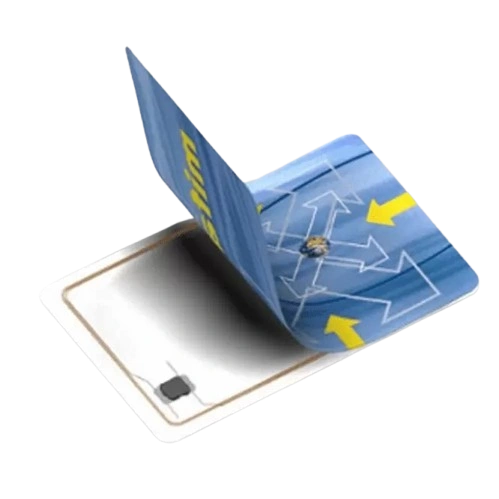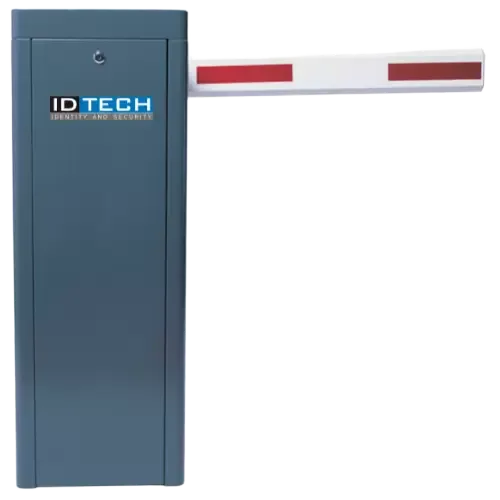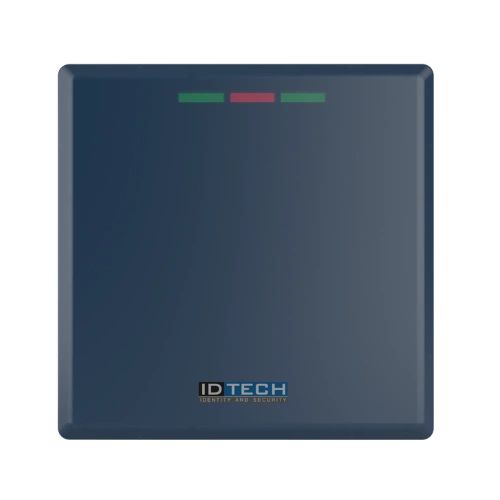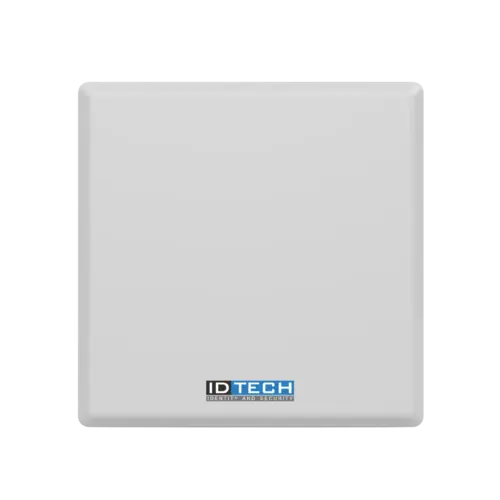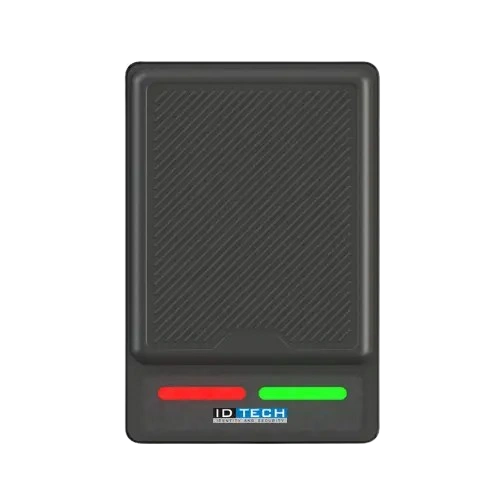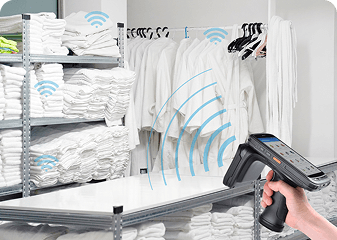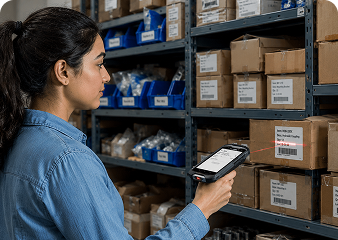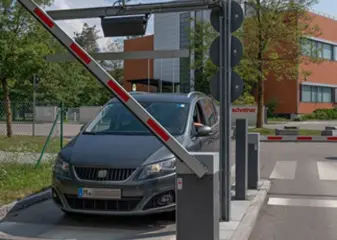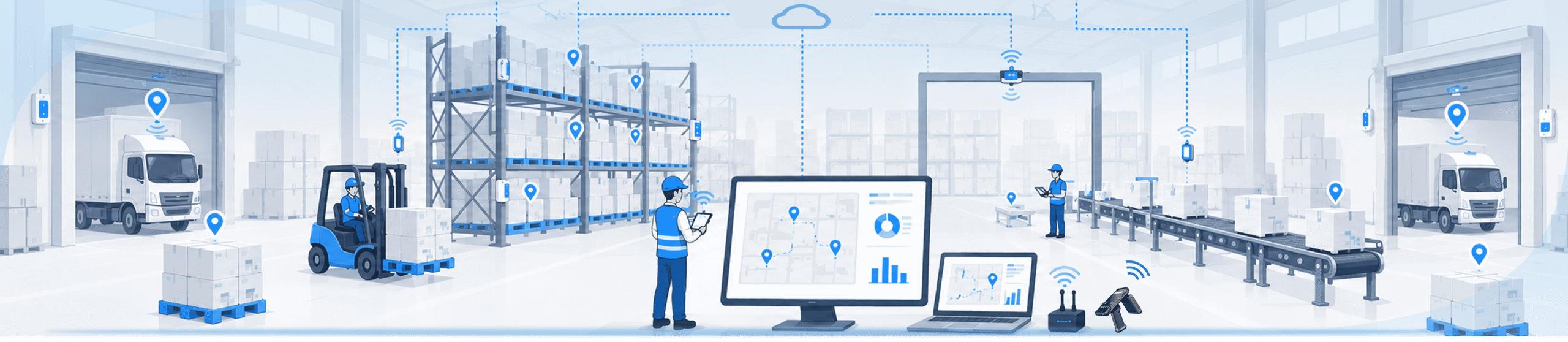
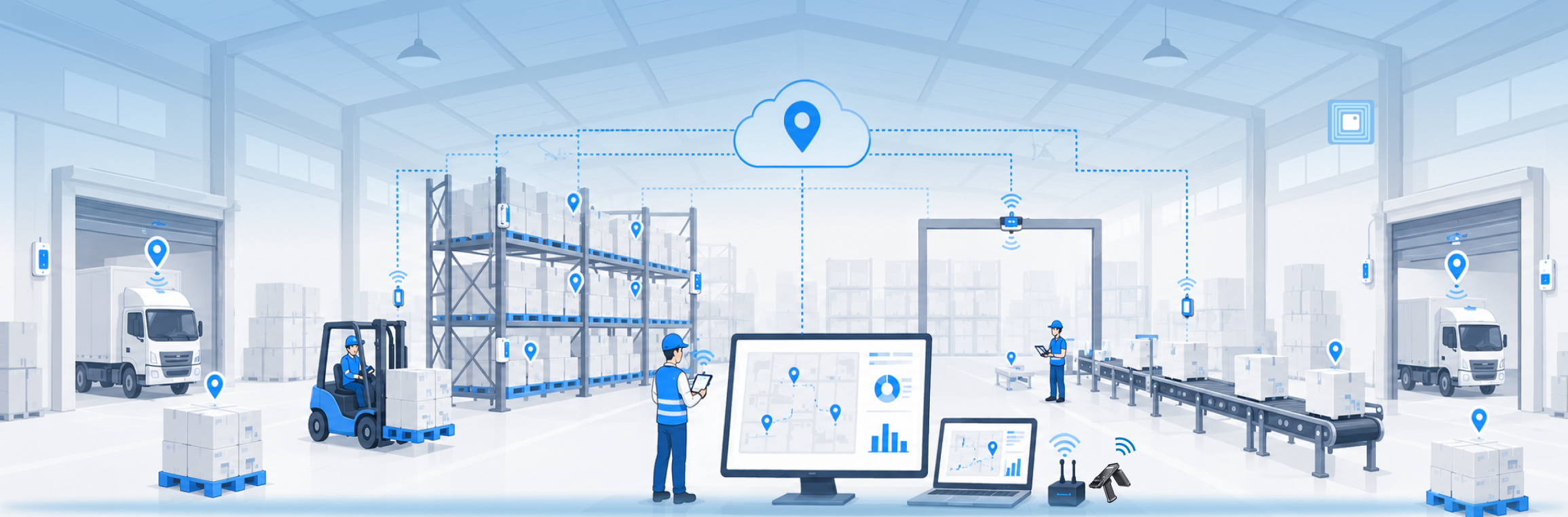

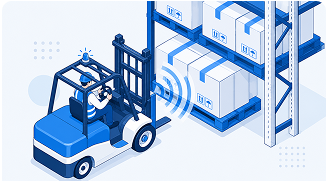
Assets, inventory, vehicles, or personnel are assigned unique Passive or Active RFID tags. Different tag types and form factors can be selected depending on the asset, environment, read range, and tracking requirement.

Passive RFID tags are detected when they enter an RFID reader's coverage area, enabling zone-level identification and movement tracking. Active RFID tags periodically transmit signals, allowing assets to be tracked across larger areas with more frequent location updates.
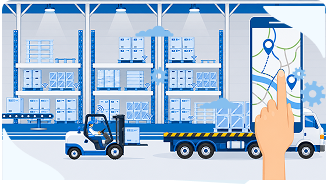
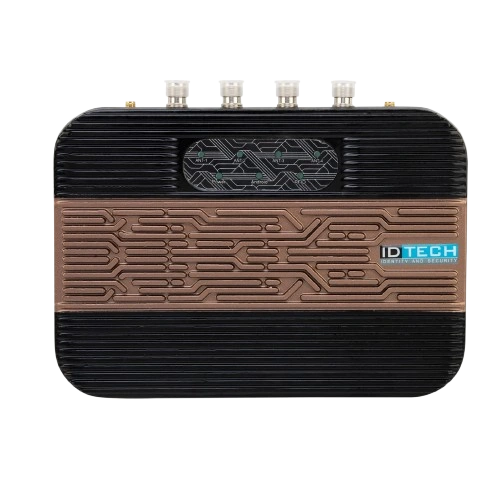
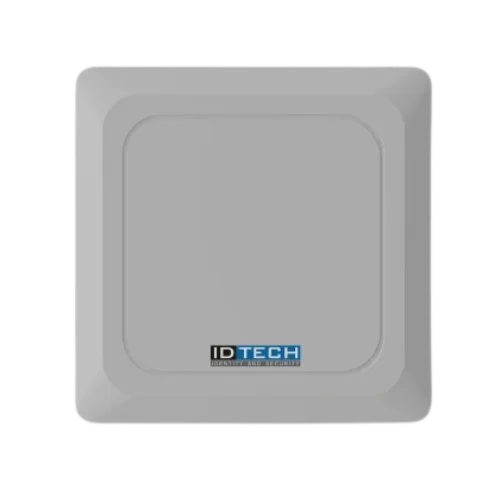
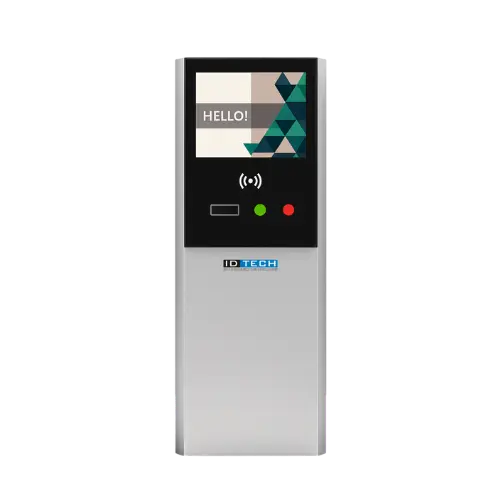
RFID readers, antennas, and gateways automatically capture tag IDs and movement events. Where more precise indoor positioning is required, BLE/AoA can be integrated, while GPS can support outdoor asset and vehicle tracking.
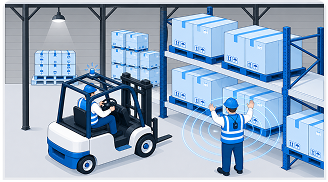
Captured data is processed by the RTLS platform to determine the current or last-known location, movement, entry/exit events, and status of tagged assets.
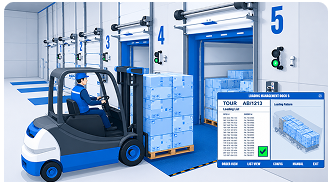
A centralized dashboard provides visibility into asset locations, movement history, inventory status, utilization, and activity logs. Reports can also be generated for audits, operational analysis, and asset management.

The system can generate alerts for unauthorized movement, assets leaving designated zones, missing equipment, or delayed movement. Tracking events can also trigger automated workflows or integrate with existing ERP, WMS, and asset management systems.

Instantly identify the current or last-known location of assets, equipment, vehicles, inventory, or personnel.

Reduce time spent searching for tools, equipment, materials, or other critical assets.

Maintain a complete record of where an asset has been, when it moved, and how long it remained at each location.

Identify idle, underused, or misplaced assets and improve allocation of equipment and resources.

Create virtual zones and receive alerts when assets or personnel enter, leave, or remain in restricted or designated areas.

Use real-time location and dwell-time data to identify bottlenecks, reduce unnecessary movement, and improve overall process flow.