Logistics & Supply Chain Management

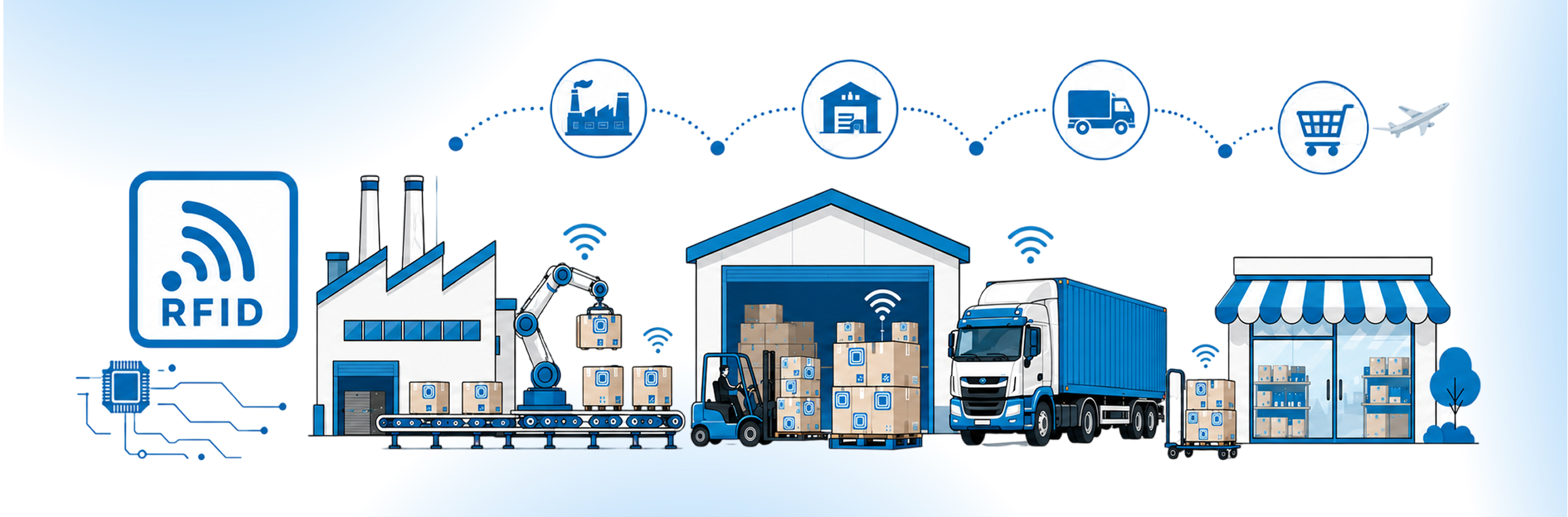
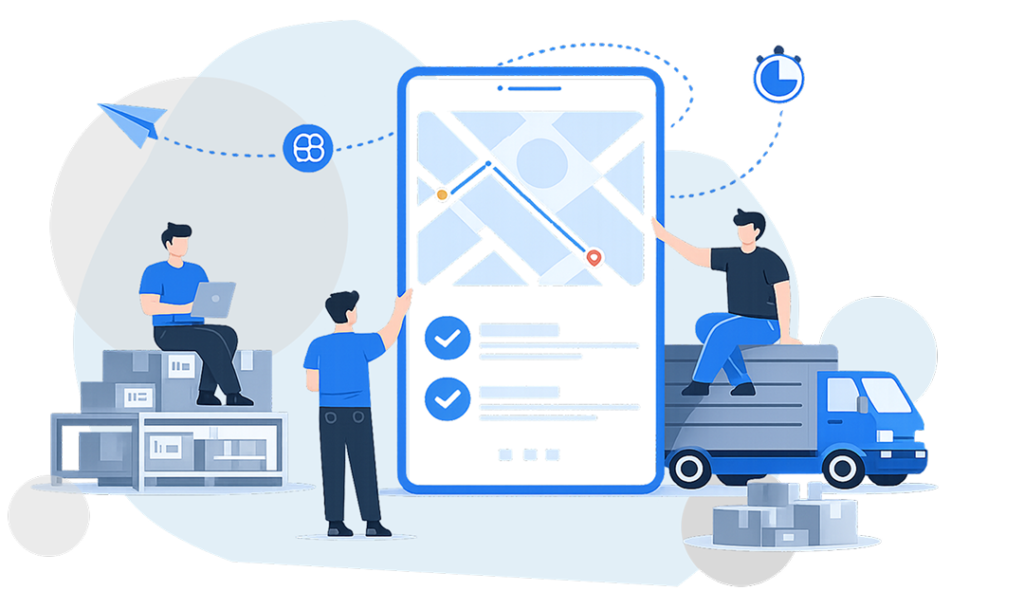
RAIN RFID technology is helping businesses build faster, smarter, and more transparent supply chains through real-time inventory visibility, automated tracking, and intelligent warehouse operations. From manufacturing and warehousing to transportation, distribution, and retail, RAIN RFID enables businesses to track products, pallets, cartons, containers, and assets across the entire supply chain.

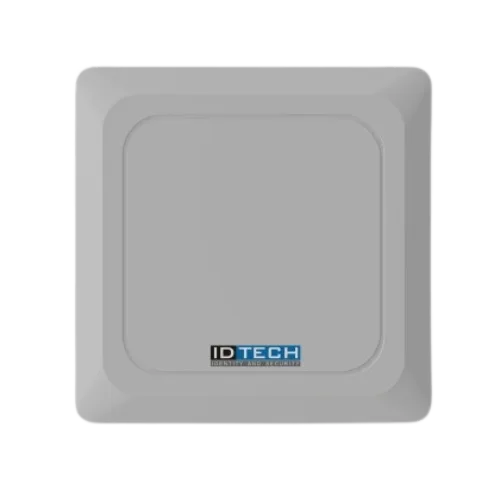
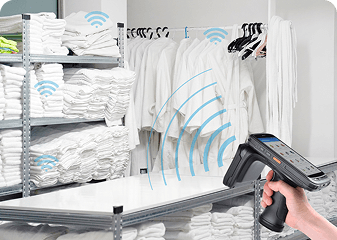
Unlike manual or barcode-based processes, RAIN RFID enables bulk and non-line-of-sight reading without manual scanning, improving inventory accuracy and reducing operational delays. RFID readers installed at dock doors, conveyors, warehouse gates, storage locations, and logistics checkpoints automatically capture inventory movement data in real time.

Integrated with IoT platforms, ERP systems, Warehouse Management Systems (WMS), and AI-driven analytics, RAIN RFID enables real-time shipment tracking, warehouse automation, cold chain monitoring, and smarter supply chain decision-making. RAIN RFID also supports Circularity, Sustainability, and Digital Product Passport (DPP) initiatives by enabling product-level traceability and lifecycle visibility from production to reuse, recycling, and end-of-life management.

RFID Supply Chain Solutions help organizations improve operational efficiency, reduce inventory losses, optimize warehouse workflows, strengthen supply chain visibility, and build more connected and sustainable logistics operations.

Applications of RFID in Port Automation

RFID Container E-Seal icon

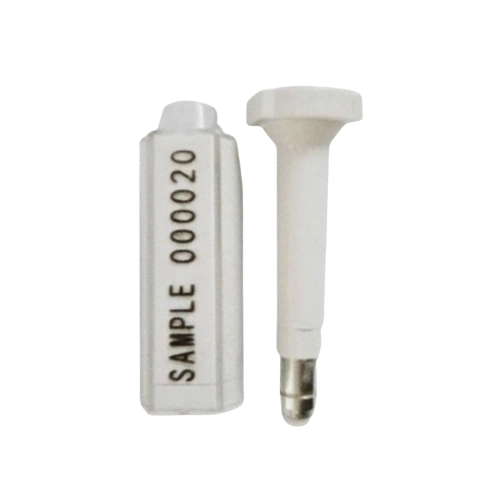
RFID Container E-Seal

RFID-enabled electronic seals (E-Seals) provide a secure, tamper-proof solution for monitoring cargo containers. These seals deter unauthorized access and provide real-time updates on container status. Integration with port management software ensures compliance, reduces theft risk, and triggers instant alerts in case of seal tampering.

Automated Gate Entry and Verification icon

Automated Gate Entry and Verification

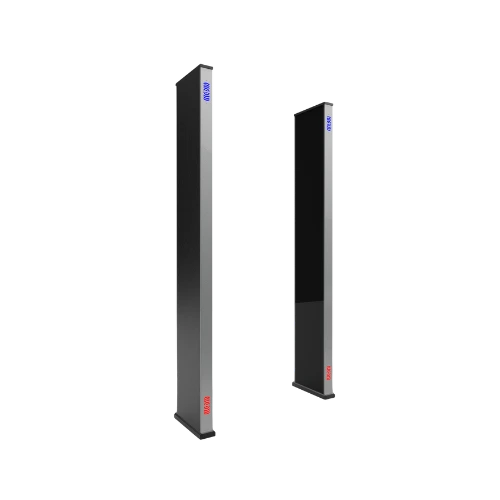
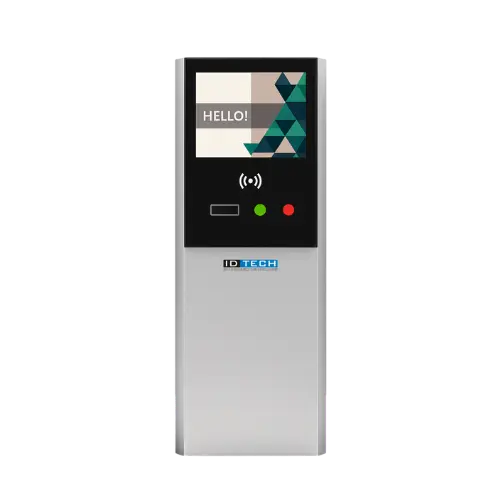
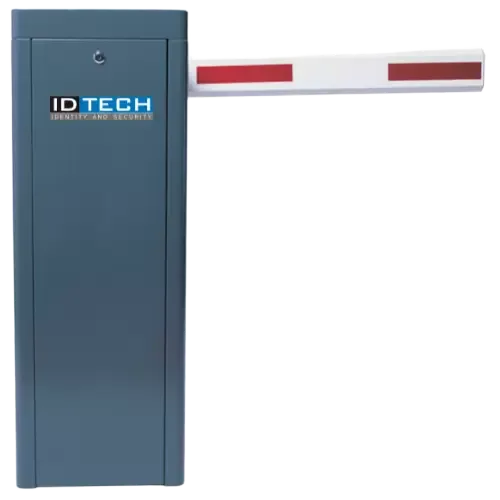
RFID automates vehicle and container entry/exit at port gates. RFID readers scan container/truck tags instantly, validate credentials, and update records automatically. This eliminates manual verification, reduces errors, improves gate security, and ensures smooth traffic flow.

Container Location Tracking (Yard Visibility) icon

Container Location Tracking (Yard Visibility)

RFID-based tracking provides real-time visibility of containers inside the port yard. Fixed RFID readers and antennas installed across zones continuously detect container movement and location. This reduces container misplacement, improves yard planning, and speeds up dispatch operations.

Asset Track and Trace icon

Asset Track and Trace (Cranes, Forklifts, Equipment)

Ports rely on critical equipment like cranes, forklifts, trailers, and handling units. RFID tags on these assets enable real-time tracking of location, utilization, and movement history. This improves equipment availability, prevents unauthorized usage, and ensures better resource allocation.

Truck Turnaround Time (TAT) Monitoring icon

Truck Turnaround Time (TAT) Monitoring

RFID helps monitor and optimize truck movement inside port premises. RFID tags allow automatic logging at checkpoints such as gate entry, loading zone, weighbridge, and gate exit. This provides accurate TAT data, reduces congestion, and improves operational planning.

Weighbridge Automation & Cargo Weight Verification​ icon

Weighbridge Automation & Cargo Weight Verification

RFID integrated with weighbridge systems enables automatic vehicle/container identification and weight recording. The captured weight is directly linked with shipment records, reducing manual errors, speeding up processing, and ensuring compliance with cargo weight regulations.

How it Works

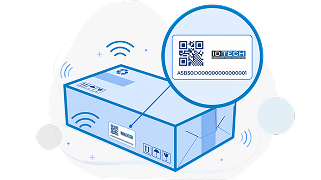
1. RFID Tagging

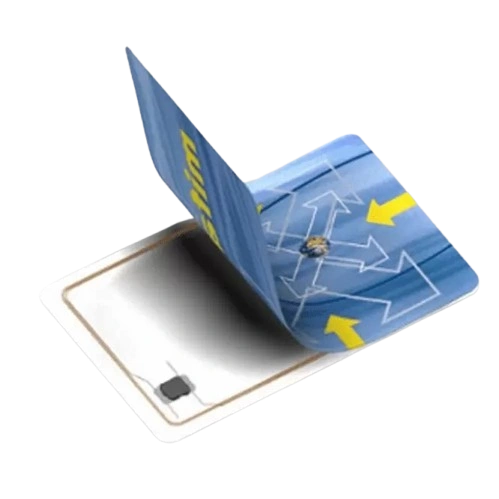
Each item is equipped with a unique RFID tag containing key information such as product details, batch number, and location. These tags enable seamless tracking throughout the supply chain, from manufacturing and storage to transportation and final delivery. RFID technology allows data to be captured quickly and accurately without requiring line-of-sight scanning.
2. Identification

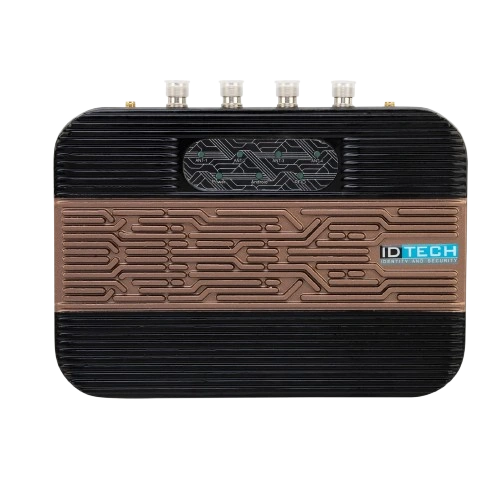
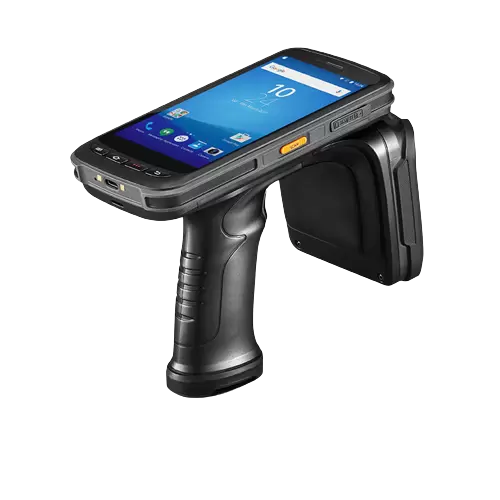
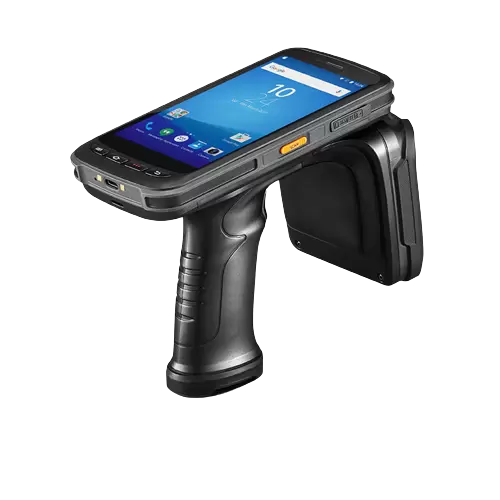
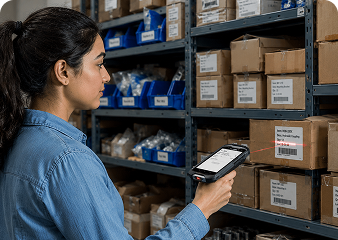
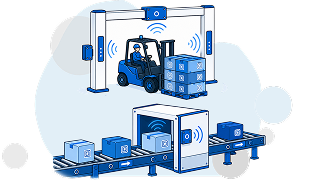
RFID readers automatically scan and capture data from RFID tags, whether deployed as fixed checkpoints or handheld devices. The captured information is instantly transmitted to a central system for processing and visibility. By reading multiple tags simultaneously over a wide area, RFID readers enable faster operations and accurate real-time tracking.
3. IoT Sensors Integration

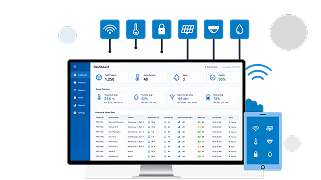
IoT sensors monitor critical conditions such as temperature, humidity, vibration, and inventory levels in real time. They instantly detect deviations from predefined thresholds and generate alerts to protect sensitive goods during storage and transit. Combined with RFID technology, these sensors provide comprehensive visibility into both inventory status and environmental conditions.
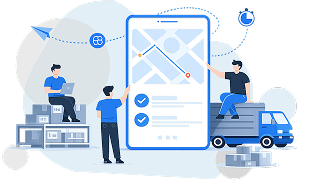
4. Real-Time Tracking

All assets, shipments, and products are tracked in real time, providing complete visibility across the supply chain. RFID readers and IoT sensors continuously update centralized data, ensuring accurate and up-to-date information. This enables faster decision-making, improved efficiency, and enhanced customer satisfaction.

5. Data Collection & Analysis

RFID and IoT devices collect vast amounts of data that are transmitted to a central system for real-time analysis. AI algorithms process this data to identify trends, predict demand, optimize logistics routes, and automate key decisions. AI-powered systems can also flag potential disruptions, such as delays or inventory shortages, allowing businesses to take corrective actions before they escalate.
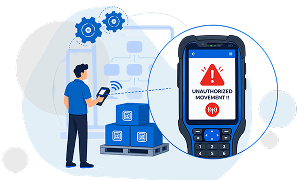
6. Automated Alerts & Decision Making

The system automatically generates real-time alerts for inventory shortages, shipment delays, unauthorized movements, or environmental threshold breaches. This enables faster response times and proactive supply chain management.

CCTV surveillance camera enabling real-time alerts and communication between port security operators and field staff

7. Automated Alerts

Tamper detection and unauthorized movement trigger real-time alerts through integrated sensors and APIs, notifying security personnel and logging events for audits.

Automated data extraction and report generation from a centralised port logistics management dashboard

8. Central Software Integration

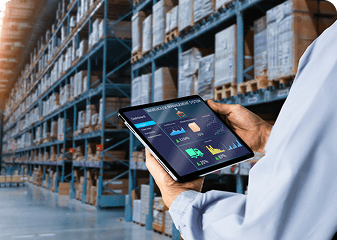
RFID data feeds into centralized platforms like TOS or ERP systems, offering dashboards, role-based access, and cloud-based analytics for operational control and reporting.

Real-time ROI and performance analytics dashboard monitoring for automated port logistics management

9. Predictive Analytics

AI-driven analytics use RFID data for predictive maintenance, identifying inefficiencies, and optimizing workflows, ensuring reduced downtime and enhanced productivity.

Benefits of Logistics & Supply Chain Management

Enhanced Accuracy and Real-Time Visibility

RFID, IoT, and AI enable continuous, hands-free asset tracking with up to 99.9% inventory accuracy and real-time visibility of stock, location, and condition. This improves decision-making, reduces stockouts, and optimizes operational efficiency.

Circular Economy Enablement

RFID and IoT facilitate the tracking of products throughout their lifecycle, promoting circular economy principles. By enabling businesses to effectively manage product reuse, recycling, and end-of-life processes, RFID technology supports sustainability initiatives, reducing waste and encouraging more responsible resource use.

Digital Product Passport (DPP) Enablement

RFID and IoT enable the creation of Digital Product Passports (DPPs), which provide detailed, traceable information about products, including materials, usage, and environmental impact. DPPs enhance transparency, support compliance, and help businesses track sustainability metrics, ensuring products are responsibly managed throughout their lifecycle.

Sustainability and Reduced Environmental Impact

RFID and IoT sensors help businesses optimize supply chain operations by improving storage conditions and reducing spoilage, especially for perishable goods. These technologies also enable route optimization, reducing fuel consumption and carbon emissions. This contributes to more eco-friendly supply chain practices and helps businesses meet their sustainability goals.

Cost Savings and Efficiency

Automated inventory tracking through RFID reduces the need for manual stock checks, saving both time and labor costs. The real-time visibility provided by RFID, IoT, and AI also minimizes errors, reduces shrinkage, and improves resource allocation. These efficiencies lead to substantial cost savings and enhanced profitability for businesses.

Improved Customer Satisfaction

Real-time tracking of products ensures faster order fulfillment, reduces stockouts, and provides greater transparency to customers. With accurate, up-to-date information about inventory and shipments, businesses can improve customer service by offering better delivery times and responding to customer inquiries more effectively.
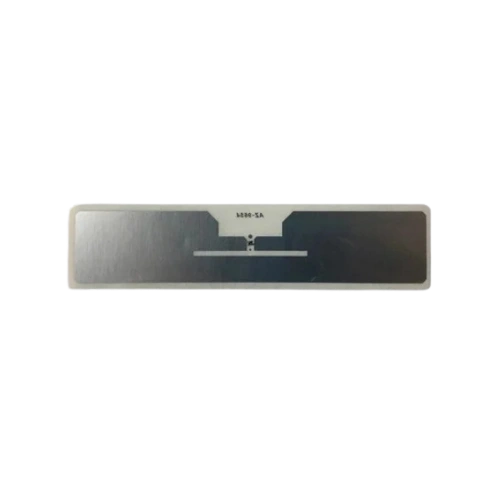
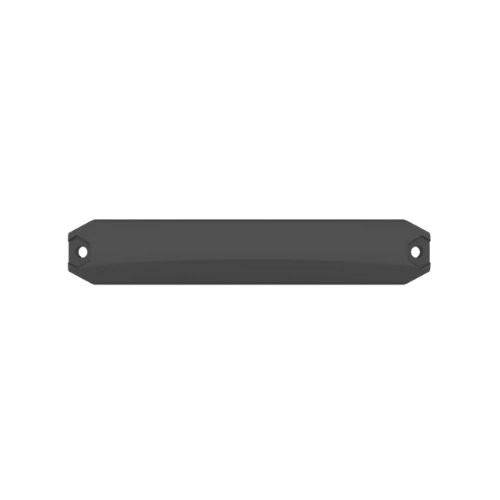
Suggested Hardware

Suggested Hardware
WhatsApp Call Us
WhatsApp Call Us
Need Help? Chat with us
Please accept our privacy policy first to start a conversation.

Product Inquiry