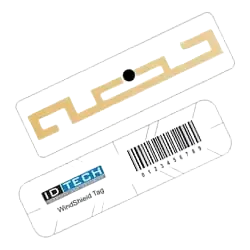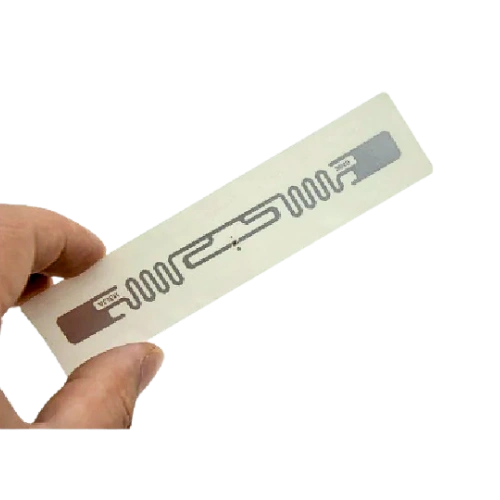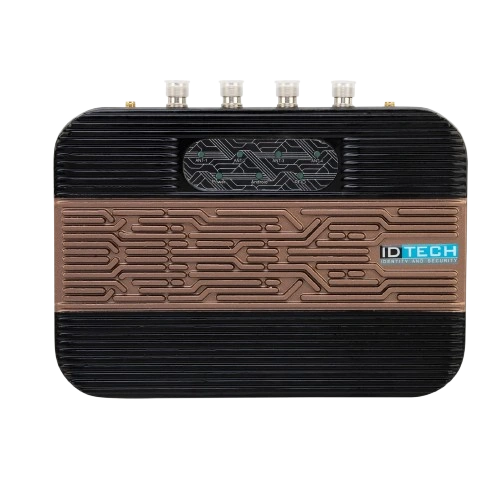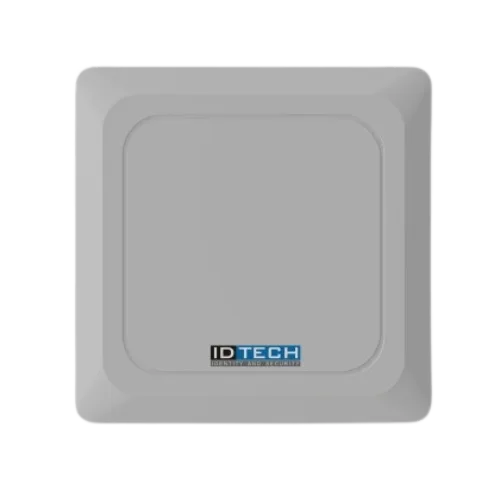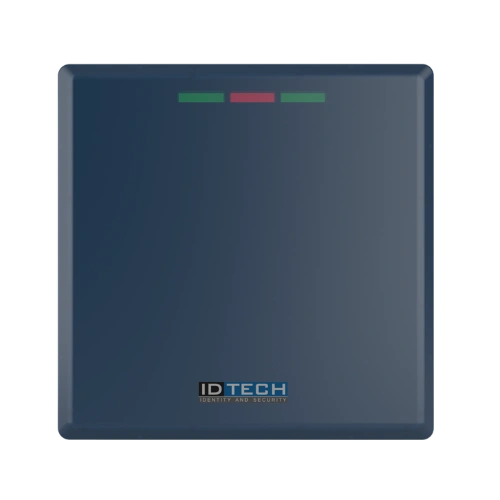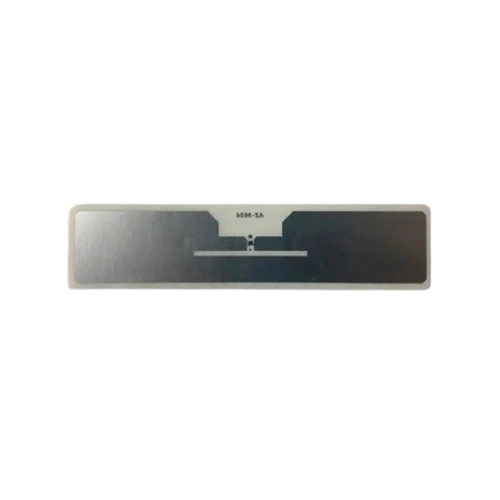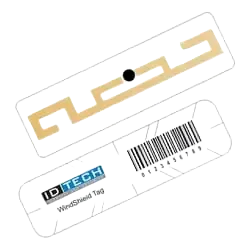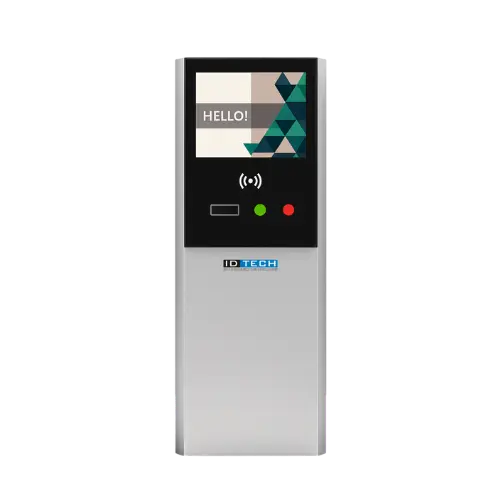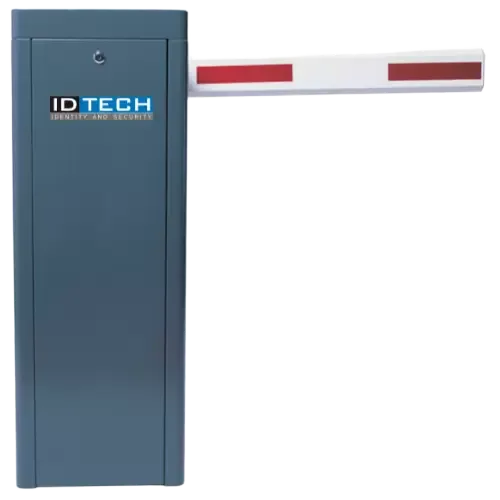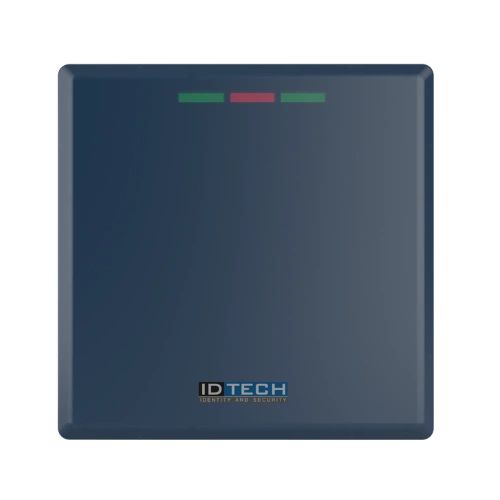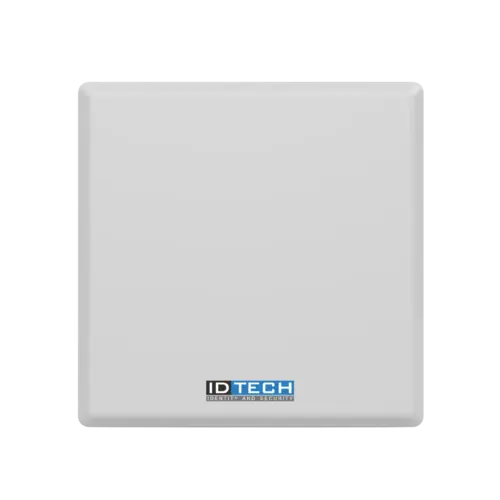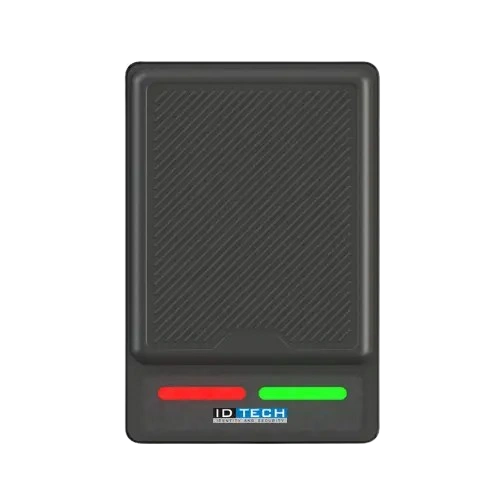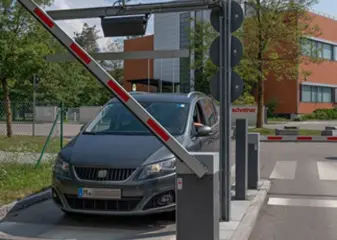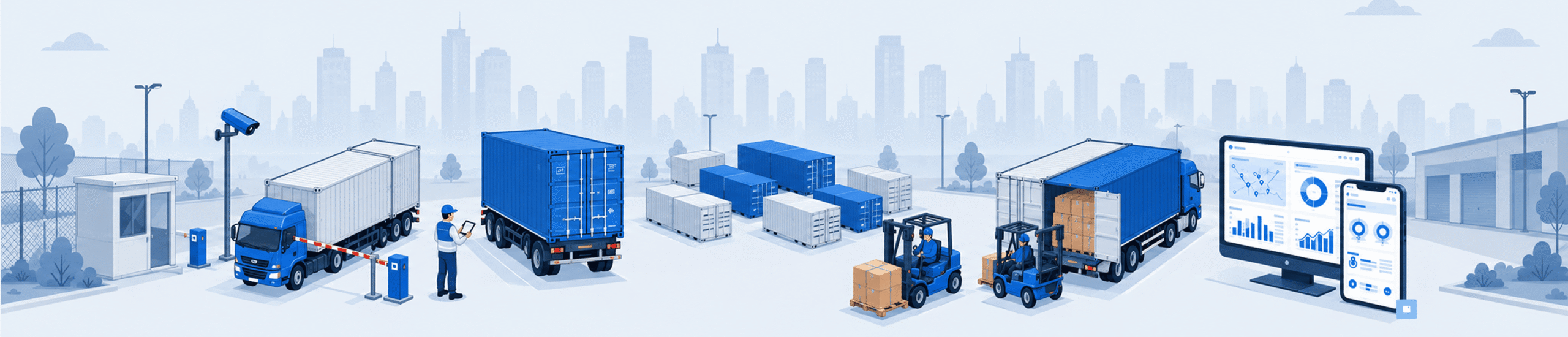
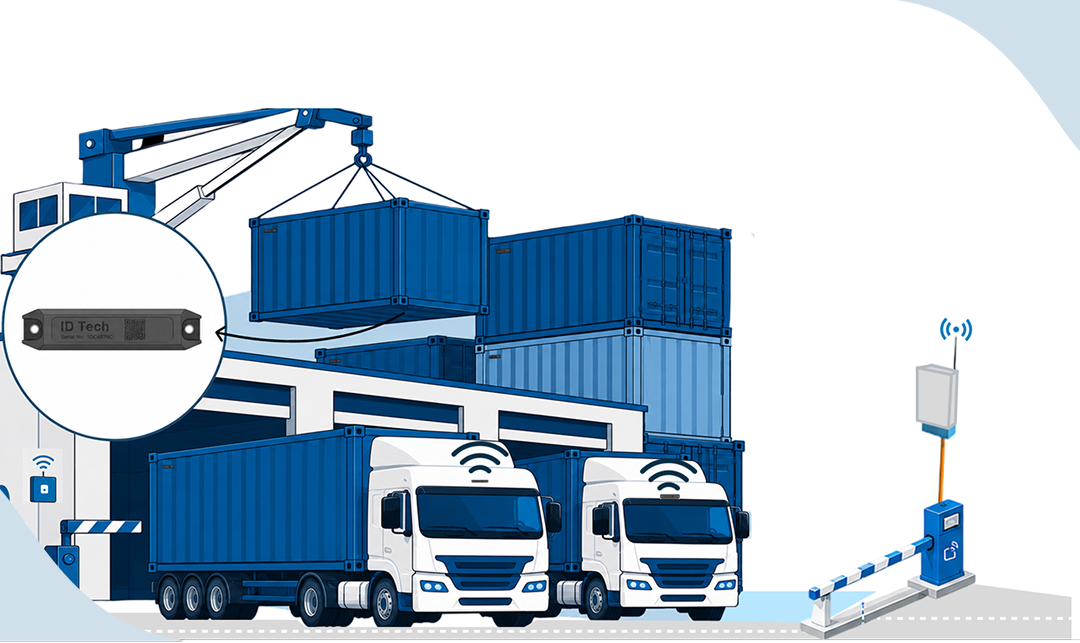
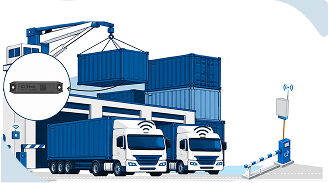
RFID readers automatically identify vehicles using existing FASTag or windshield tags, recording truck, trailer, and container entry/exit for faster gate processing
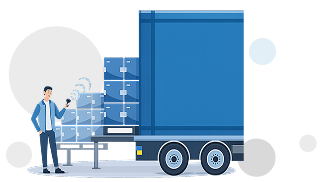
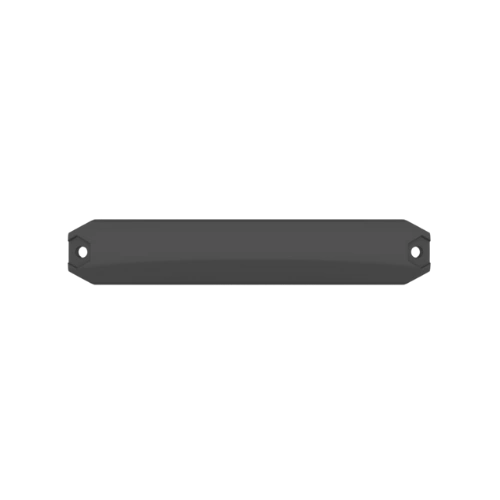
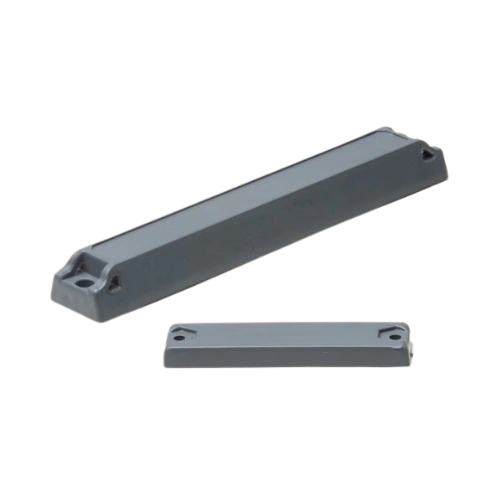
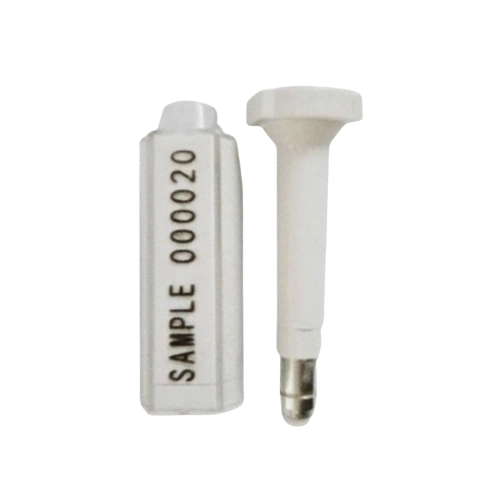
Trucks, trailers, and containers are RFID-tagged and verified at inspection checkpoints before being directed to the appropriate parking, staging, or operational area.
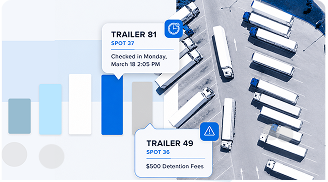
RFID-identified trailers and containers are assigned to available parking or staging locations, with alerts for potential disruptions to improve yard visibility and space utilization.
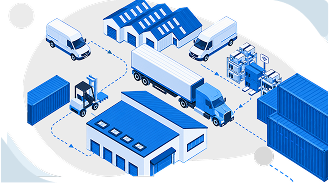
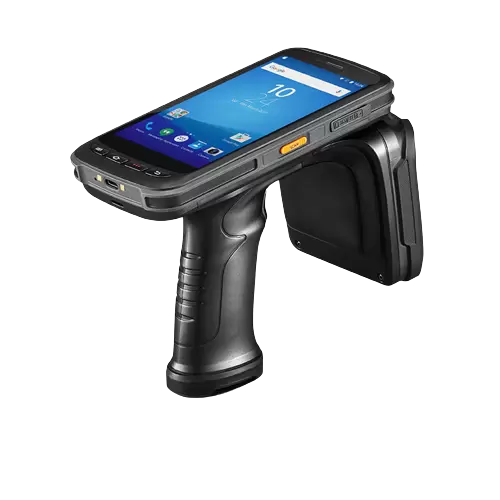
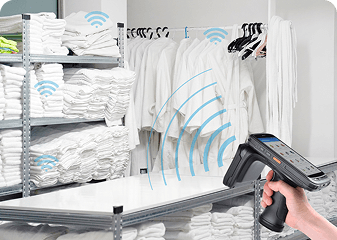
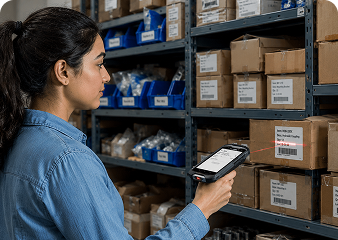
RFID checkpoints and handheld readers capture asset movements across parking, staging, and dock areas, providing their latest recorded location.
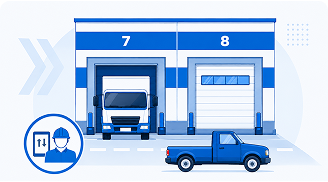
RFID readers verify trailers or containers at dock areas, ensuring the right asset reaches the right dock for scheduled loading or unloading.

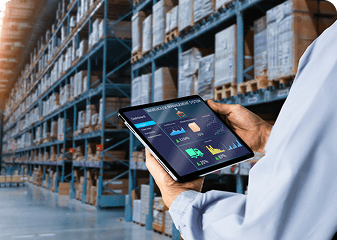
RFID-captured entry, exit, movement, and dock data integrates with WMS, YMS, and TMS for synchronized yard and logistics operations.

Reduce manual work, vehicle waiting time, overtime, and costs caused by unnecessary yard movements.

Automate routine tracking and allow yard teams to focus on important tasks and exceptions.

Coordinate trailer movements, dock assignments, and warehouse schedules for smoother inbound and outbound operations.

Prioritize important shipments and speed up loading and unloading to keep inventory moving efficiently.

Better visibility and scheduling help reduce truck waiting time and move vehicles through the yard faster.

Know which parking, staging, and dock areas are available to make better use of existing yard space.