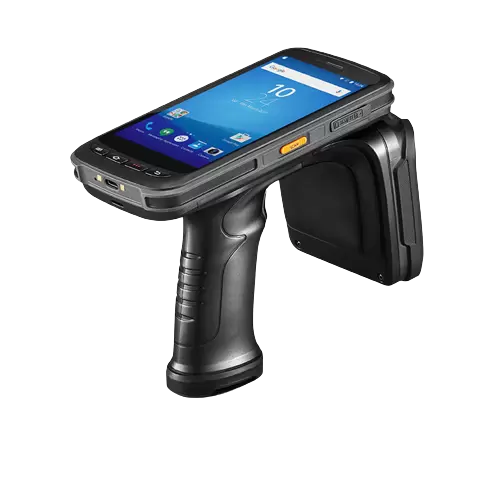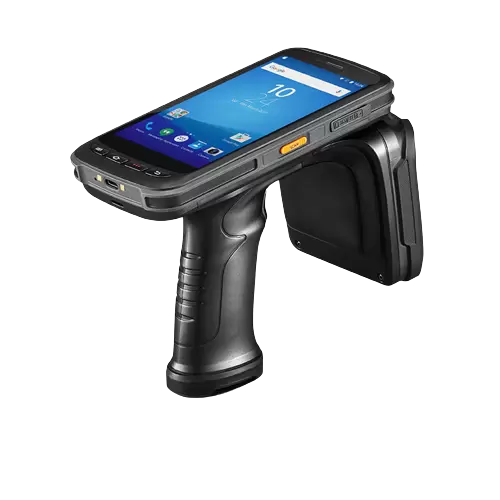

RFID provides hospitals with accurate, real-time tracking of medical supplies, equipment, and medications. IoT sensors can monitor stock levels, while AI-driven predictive analytics can help forecast supply needs and optimize reorder cycles, reducing the risk of stockouts or wastage.

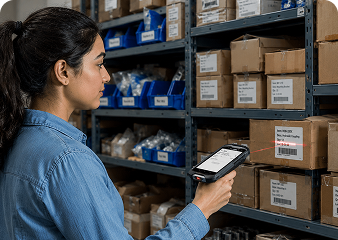
RFID integrated with IoT allows businesses to track inventory across multiple locations and throughout the entire supply chain. AI can optimize the flow of goods, predict delays, and ensure timely restocking, ultimately improving supply chain efficiency and reducing stockouts by up to 30%.

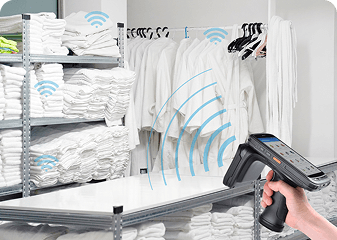
RFID provides retailers with end-to-end visibility of inventory. When coupled with IoT, AI, and ML, businesses can track every item in real time, predict demand, and optimize stock levels across multiple locations. This helps prevent out-of-stock situations, reduce shrinkage, and improve sales while boosting customer satisfaction.

Ports rely on critical equipment like cranes, forklifts, trailers, and handling units. RFID tags on these assets enable real-time tracking of location, utilization, and movement history. This improves equipment availability, prevents unauthorized usage, and ensures better resource allocation.

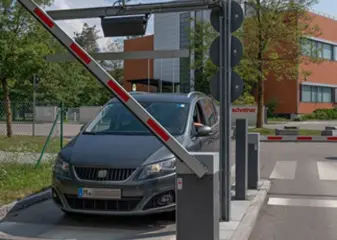
RFID helps monitor and optimize truck movement inside port premises. RFID tags allow automatic logging at checkpoints such as gate entry, loading zone, weighbridge, and gate exit. This provides accurate TAT data, reduces congestion, and improves operational planning.

RFID integrated with weighbridge systems enables automatic vehicle/container identification and weight recording. The captured weight is directly linked with shipment records, reducing manual errors, speeding up processing, and ensuring compliance with cargo weight regulations.
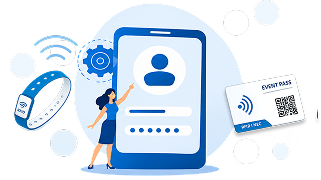
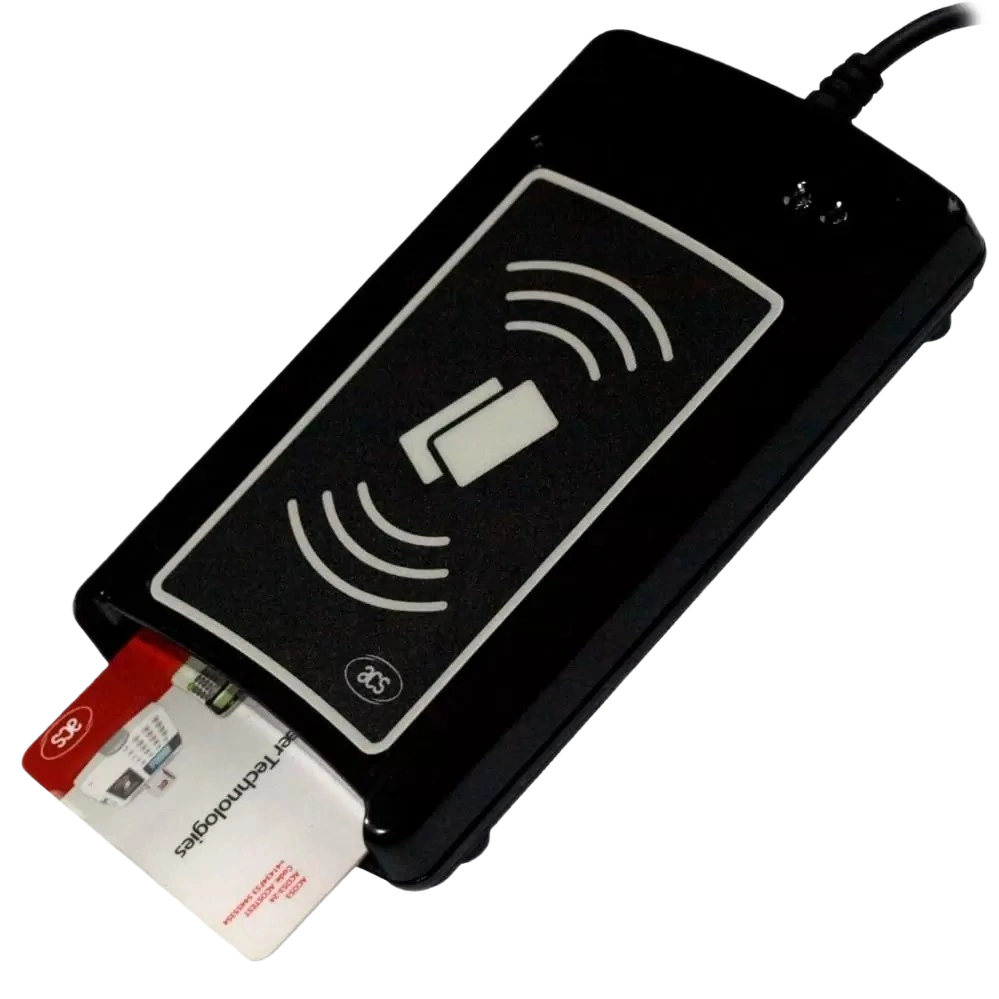
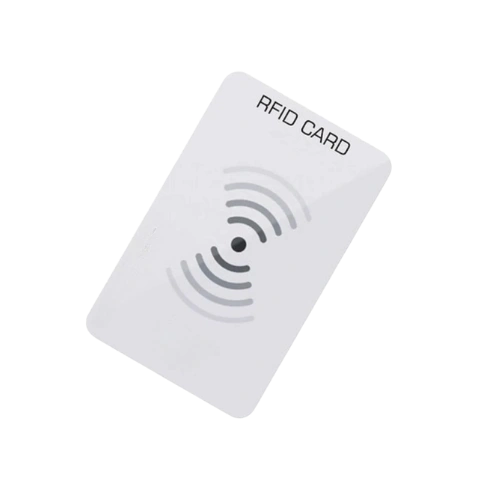
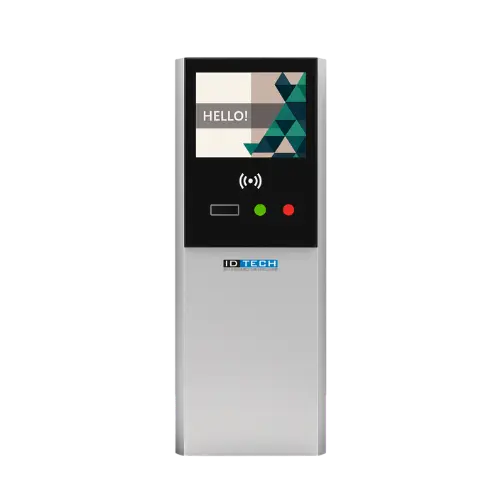
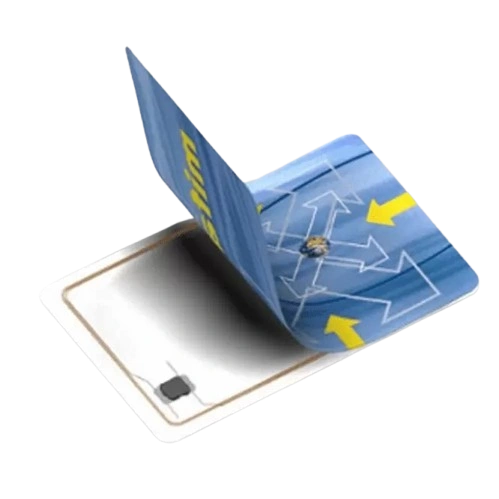
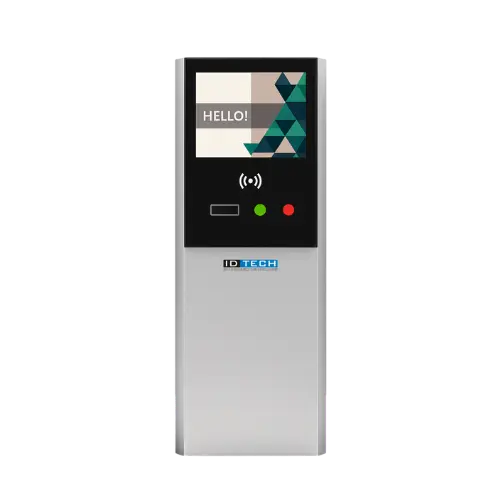
Visitors can pre-register or check in using QR codes, RFID/NFC smart cards, mobile credentials, or self-service kiosks. The system captures visitor information digitally and reduces manual registration efforts. This ensures a faster, more convenient, and professional check-in experience.
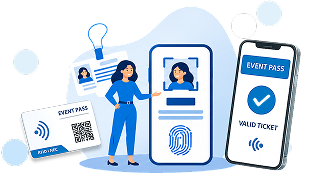
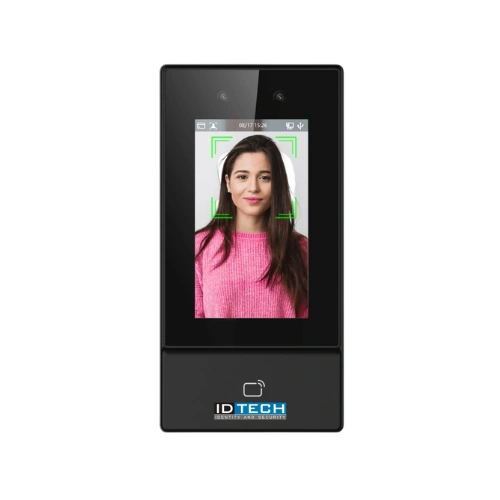
The system verifies visitor identity using AI-based face recognition, OTP validation, or access credential authentication. Verification is completed in real time to ensure only authorized individuals gain access. This enhances security while minimizing delays at entry points.
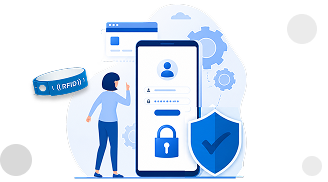
Temporary access permissions are assigned based on visitor type, meeting schedules, or authorized access zones. Access rights can be configured automatically and revoked upon visitor checkout. This ensures controlled movement and compliance with security policies.
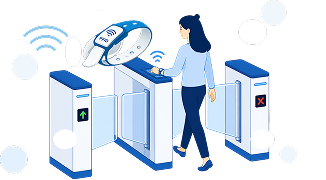
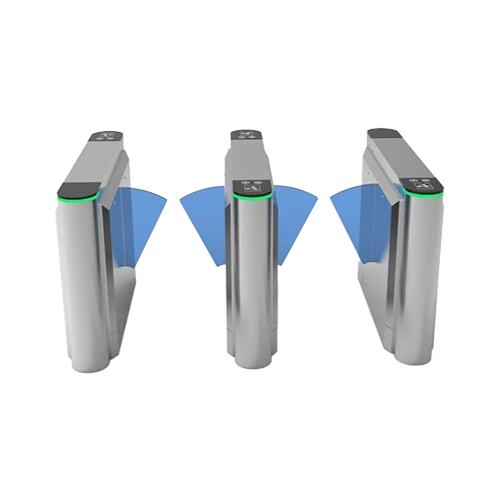
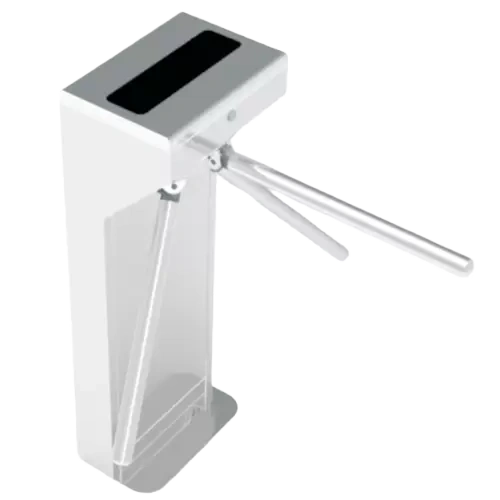
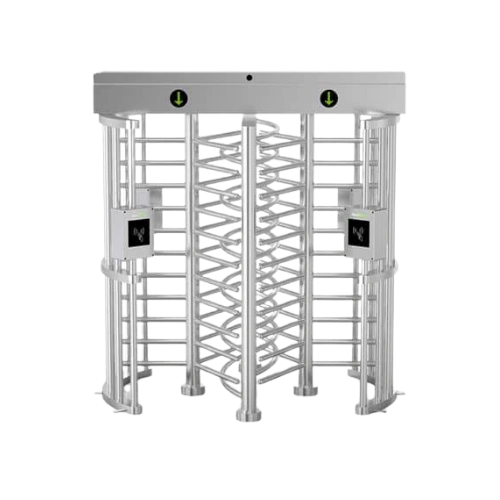
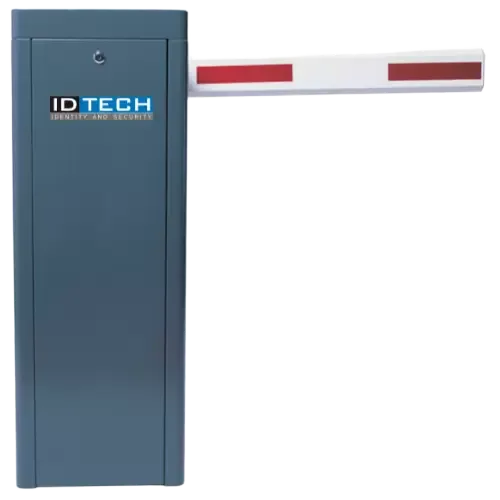
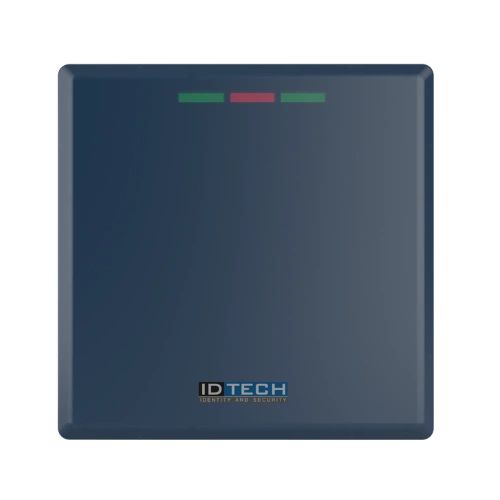
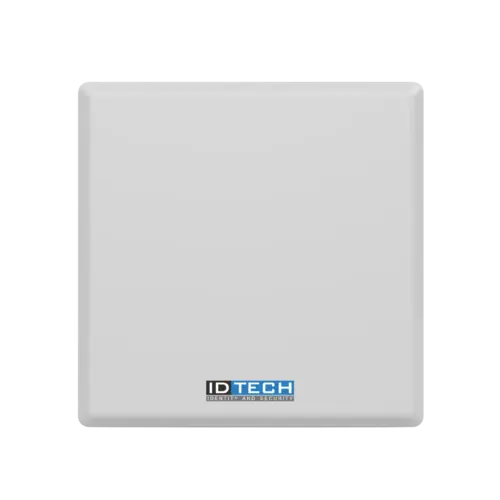
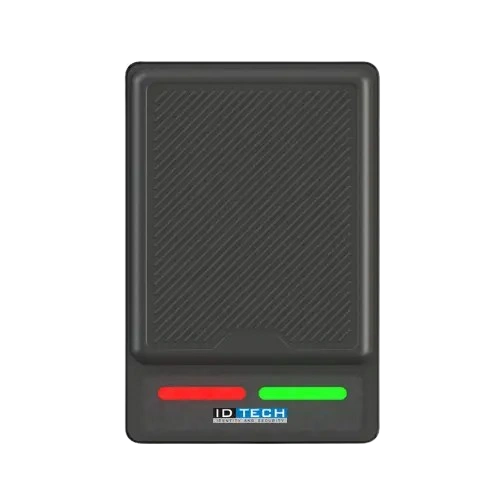
RFID readers, NFC readers, flap barriers, and turnstiles enable fast and touchless visitor entry across the facility. Automated validation eliminates the need for physical passes or manual checks. This improves entry efficiency and enhances the overall visitor experience.
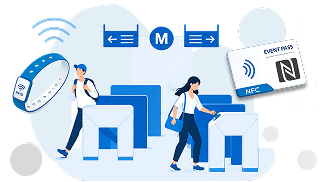
The system tracks visitor movement, entry-exit activity, and access logs in real time for enhanced visibility and security monitoring. Administrators can instantly locate visitors and monitor occupancy across different areas. This improves safety, accountability, and emergency response readiness.

Live dashboards provide visitor analytics, occupancy visibility, audit logs, and automated reports for compliance and operational management. Historical and real-time data help organizations analyze visitor trends and security events. These insights support informed decision-making and regulatory compliance.

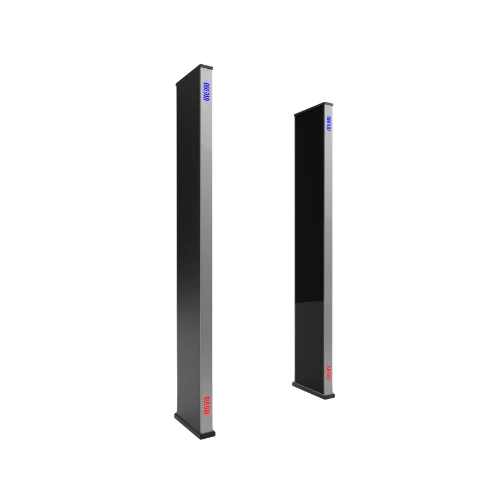
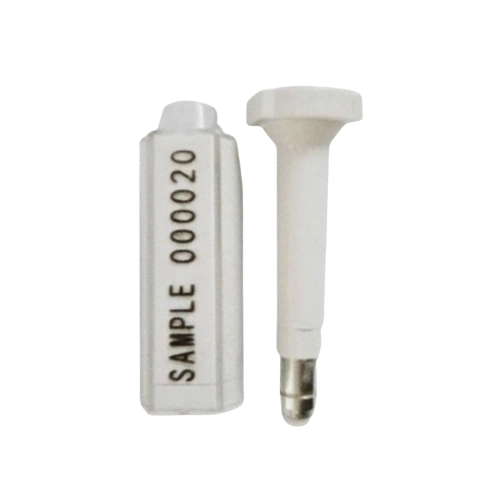
Tamper detection and unauthorized movement trigger real-time alerts through integrated sensors and APIs, notifying security personnel and logging events for audits.

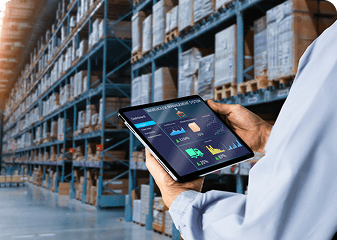
RFID data feeds into centralized platforms like TOS or ERP systems, offering dashboards, role-based access, and cloud-based analytics for operational control and reporting.

AI-driven analytics use RFID data for predictive maintenance, identifying inefficiencies, and optimizing workflows, ensuring reduced downtime and enhanced productivity.

Reduce waiting time and improve front-desk operations through automated and contactless visitor registration.

Enable secure identity verification and controlled access using RFID, QR, NFC, and AI-based face recognition technologies.

Provide a seamless and hygienic visitor journey through touchless check-in and automated access control.

Monitor visitor movement, occupancy, and access activity across the facility in real time.

Reduce manual paperwork, visitor logging, and dependency on reception staff through workflow automation.

Integrate with existing access control, surveillance, attendance, and security management systems.

Automate inventory processes and minimize dependency on manual stock verification, scanning, and data entry.
Improve inventory security and reduce losses caused by theft, misplacement, or inventory discrepancies.
Improve warehouse productivity, inventory management speed, and overall business performance through intelligent inventory automation.