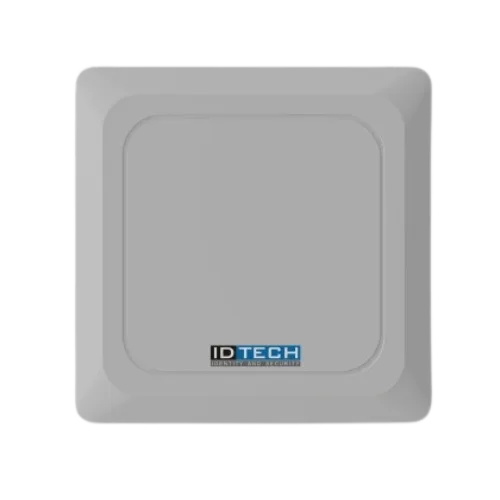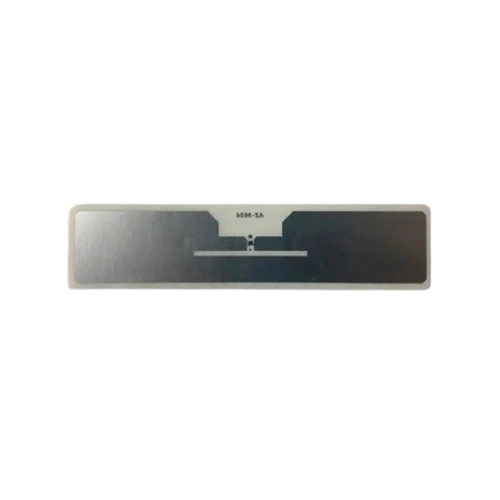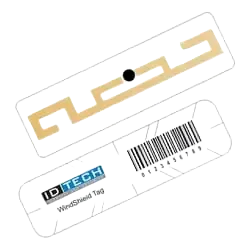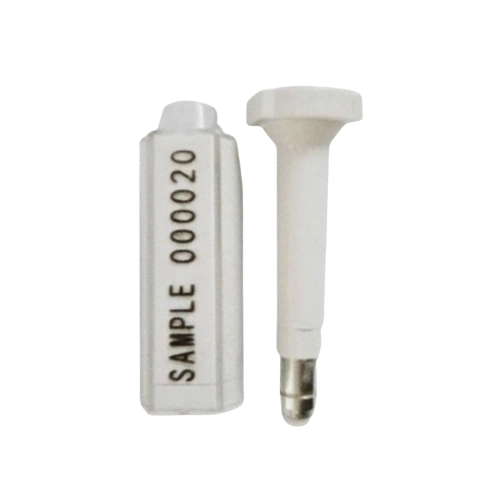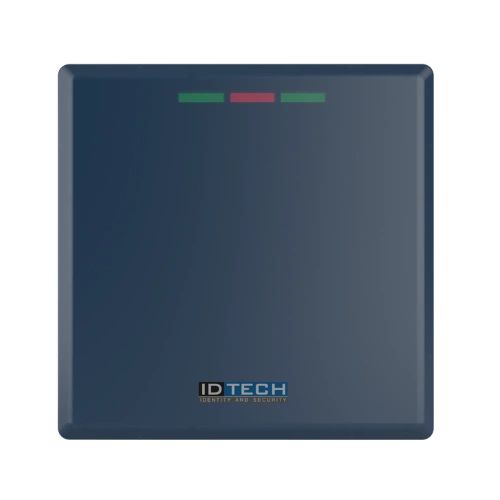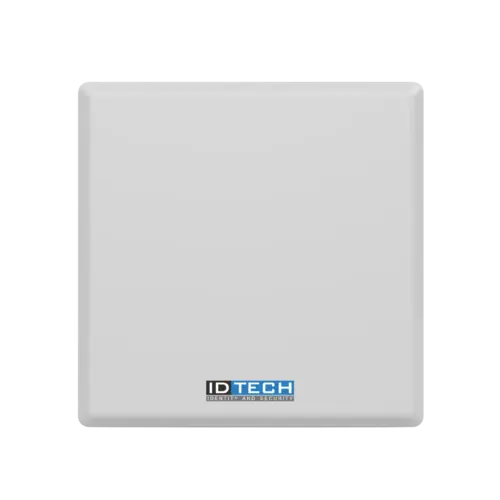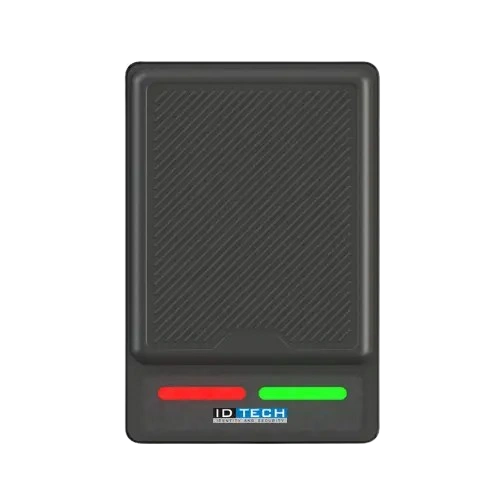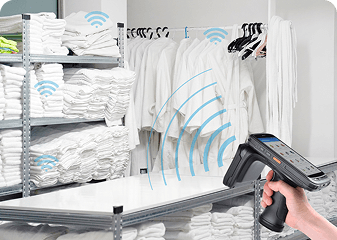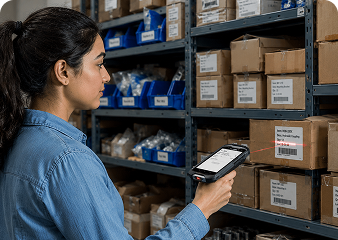
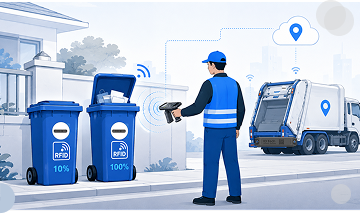

RFID provides hospitals with accurate, real-time tracking of medical supplies, equipment, and medications. IoT sensors can monitor stock levels, while AI-driven predictive analytics can help forecast supply needs and optimize reorder cycles, reducing the risk of stockouts or wastage.

RFID integrated with IoT allows businesses to track inventory across multiple locations and throughout the entire supply chain. AI can optimize the flow of goods, predict delays, and ensure timely restocking, ultimately improving supply chain efficiency and reducing stockouts by up to 30%.

RFID provides retailers with end-to-end visibility of inventory. When coupled with IoT, AI, and ML, businesses can track every item in real time, predict demand, and optimize stock levels across multiple locations. This helps prevent out-of-stock situations, reduce shrinkage, and improve sales while boosting customer satisfaction.

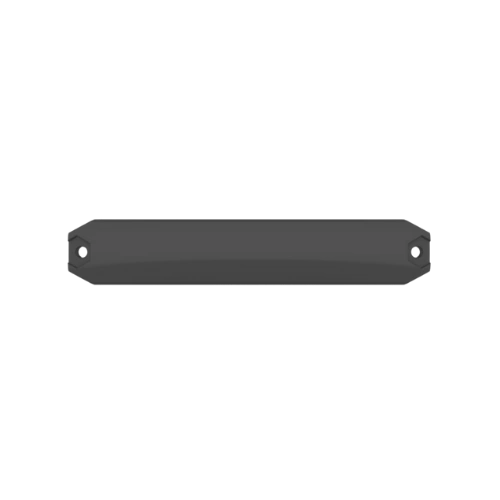
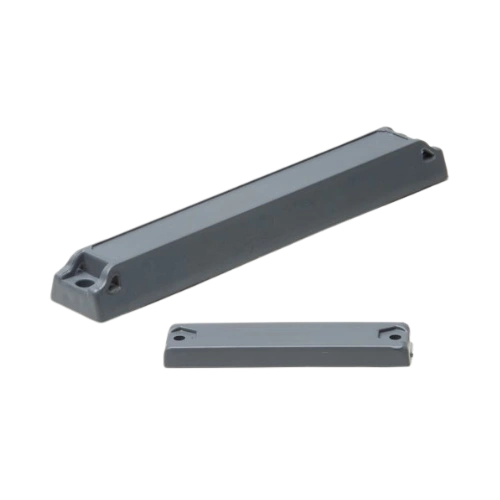
Ports rely on critical equipment like cranes, forklifts, trailers, and handling units. RFID tags on these assets enable real-time tracking of location, utilization, and movement history. This improves equipment availability, prevents unauthorized usage, and ensures better resource allocation.

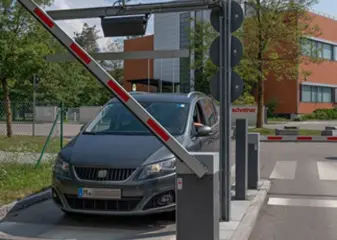
RFID helps monitor and optimize truck movement inside port premises. RFID tags allow automatic logging at checkpoints such as gate entry, loading zone, weighbridge, and gate exit. This provides accurate TAT data, reduces congestion, and improves operational planning.

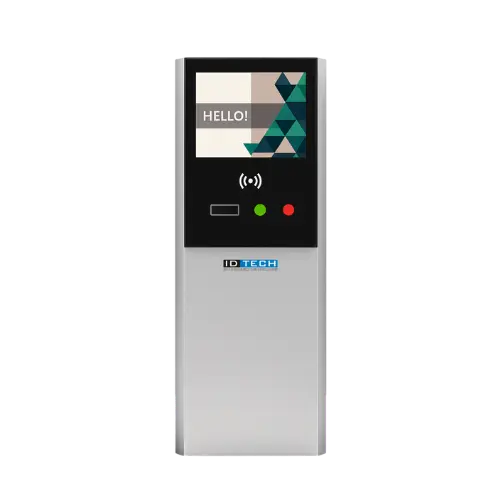
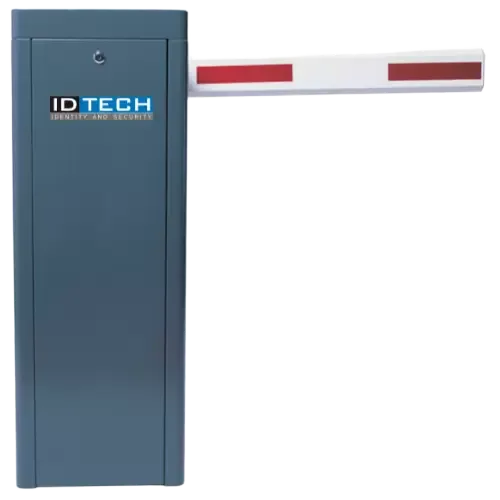
RFID integrated with weighbridge systems enables automatic vehicle/container identification and weight recording. The captured weight is directly linked with shipment records, reducing manual errors, speeding up processing, and ensuring compliance with cargo weight regulations.
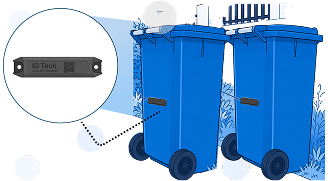
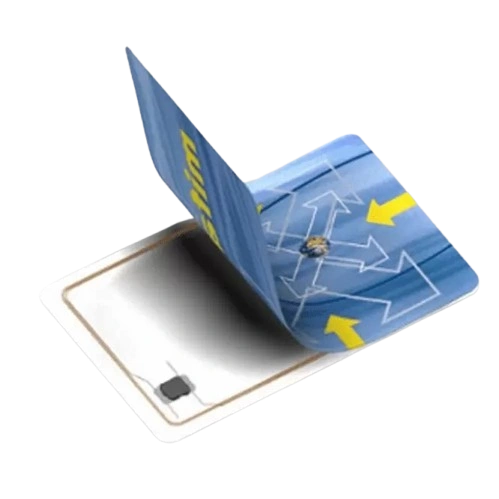
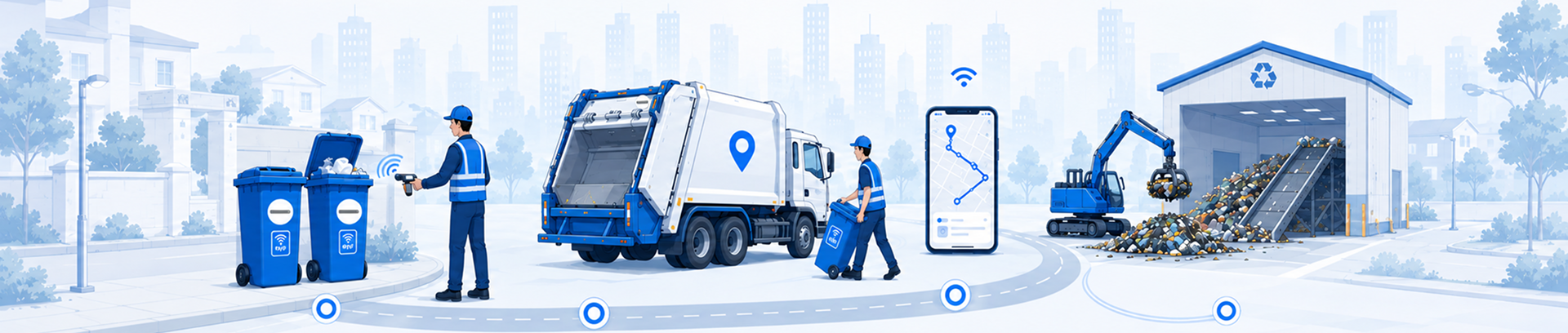
Each household, institution, bin, or designated waste collection point is assigned a unique RFID tag and registered in the system. Collection points can also be geo-tagged for location-based monitoring.
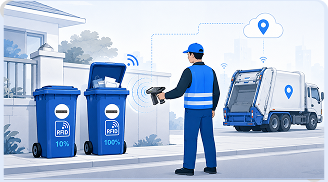
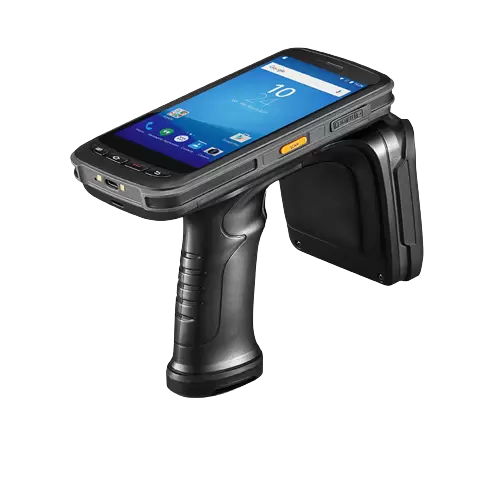
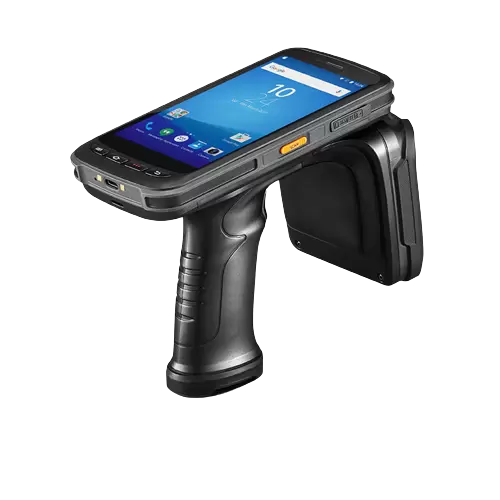
Waste collectors use RFID handheld readers to scan the tag at each pickup point. Every scan digitally verifies that collection has taken place and records the collection point, time, and location.
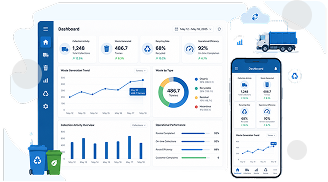
Collection information is transferred to a central software platform, providing visibility of completed and pending pickups. Digital maps and reports help monitor collection coverage and identify missed locations.
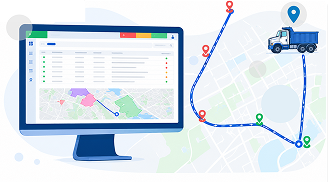
GPS devices installed on collection vehicles provide real-time location and route visibility. Geo-fencing can be used to monitor assigned routes and identify route deviations during transportation.
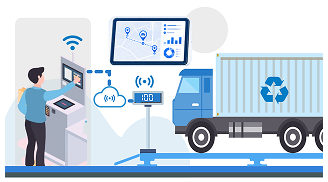
When waste reaches a processing facility, landfill, or dump site, RFID-based vehicle identification can be integrated with weighbridges to automate vehicle identification and record weighment transactions. This creates greater transparency in waste entering, being processed at, or leaving the site.
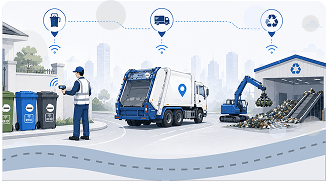
Tracks waste from collection and transportation to processing and final disposal, enabling complete traceability. Supports circularity through better segregation, recovery, recycling, and responsible disposal.

Tamper detection and unauthorized movement trigger real-time alerts through integrated sensors and APIs, notifying security personnel and logging events for audits.
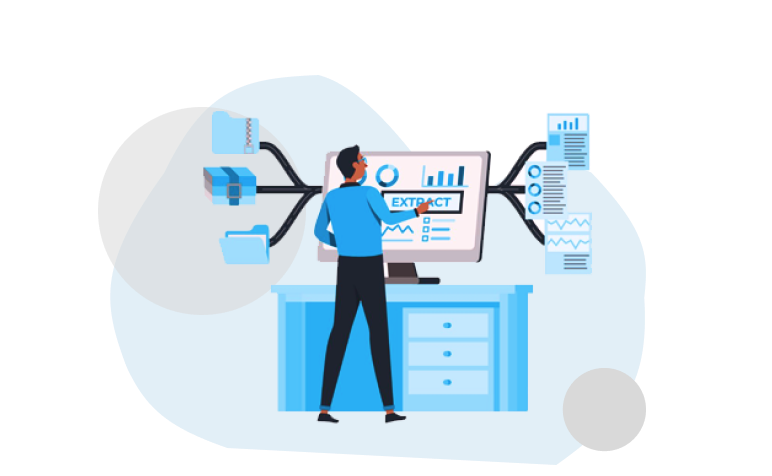
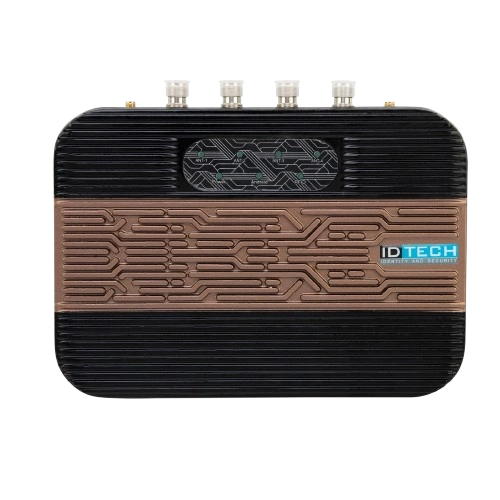
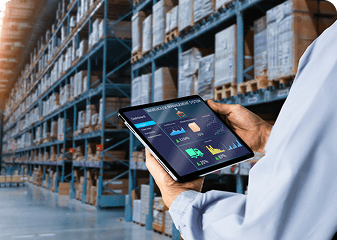
RFID data feeds into centralized platforms like TOS or ERP systems, offering dashboards, role-based access, and cloud-based analytics for operational control and reporting.

AI-driven analytics use RFID data for predictive maintenance, identifying inefficiencies, and optimizing workflows, ensuring reduced downtime and enhanced productivity.

RFID scanning provides digital confirmation of collection at each registered pickup point.

Collection status can be monitored to quickly identify locations that have not been serviced.

GPS tracking and geo-fencing provide visibility of waste collection vehicles throughout their assigned routes.

Waste movement can be tracked across collection, transportation, processing, and final landfill or dump-site operations.

RFID-based vehicle identification reduces manual intervention at weighbridges and creates more reliable records of vehicle and waste movement.

Better tracking of segregation, recovery, recycling, and disposal helps improve resource recovery and reduce landfill dependency.

Automate inventory processes and minimize dependency on manual stock verification, scanning, and data entry.
Improve inventory security and reduce losses caused by theft, misplacement, or inventory discrepancies.
Improve warehouse productivity, inventory management speed, and overall business performance through intelligent inventory automation.