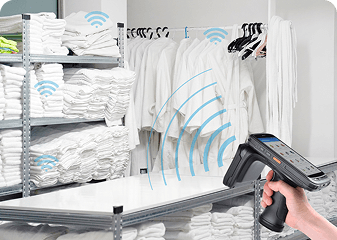
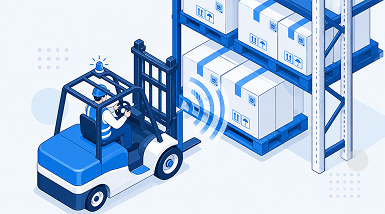

RFID provides hospitals with accurate, real-time tracking of medical supplies, equipment, and medications. IoT sensors can monitor stock levels, while AI-driven predictive analytics can help forecast supply needs and optimize reorder cycles, reducing the risk of stockouts or wastage.

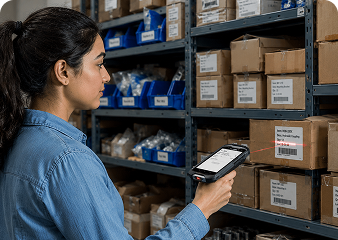
RFID integrated with IoT allows businesses to track inventory across multiple locations and throughout the entire supply chain. AI can optimize the flow of goods, predict delays, and ensure timely restocking, ultimately improving supply chain efficiency and reducing stockouts by up to 30%.

RFID provides retailers with end-to-end visibility of inventory. When coupled with IoT, AI, and ML, businesses can track every item in real time, predict demand, and optimize stock levels across multiple locations. This helps prevent out-of-stock situations, reduce shrinkage, and improve sales while boosting customer satisfaction.

Ports rely on critical equipment like cranes, forklifts, trailers, and handling units. RFID tags on these assets enable real-time tracking of location, utilization, and movement history. This improves equipment availability, prevents unauthorized usage, and ensures better resource allocation.

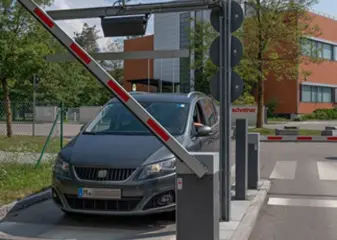
RFID helps monitor and optimize truck movement inside port premises. RFID tags allow automatic logging at checkpoints such as gate entry, loading zone, weighbridge, and gate exit. This provides accurate TAT data, reduces congestion, and improves operational planning.

RFID integrated with weighbridge systems enables automatic vehicle/container identification and weight recording. The captured weight is directly linked with shipment records, reducing manual errors, speeding up processing, and ensuring compliance with cargo weight regulations.
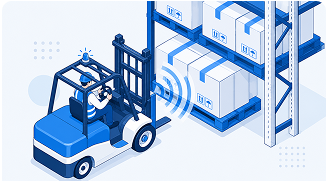
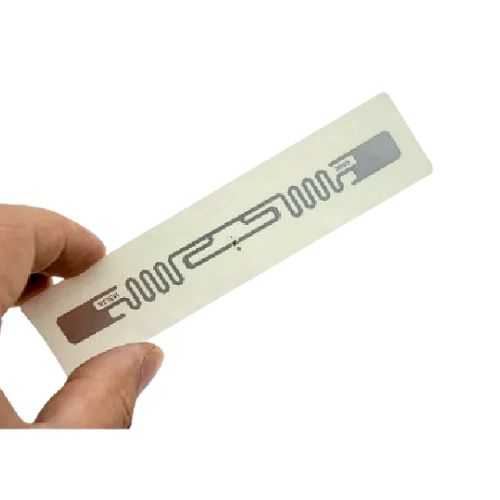
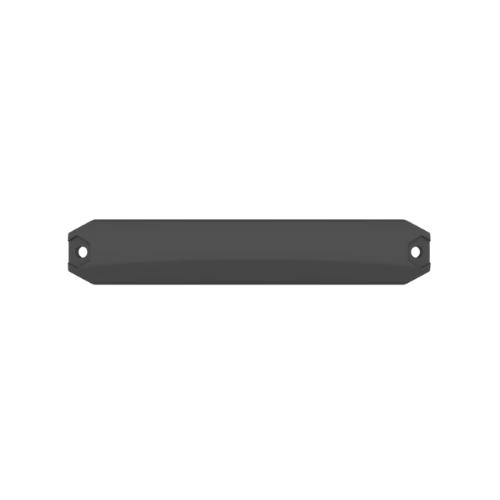
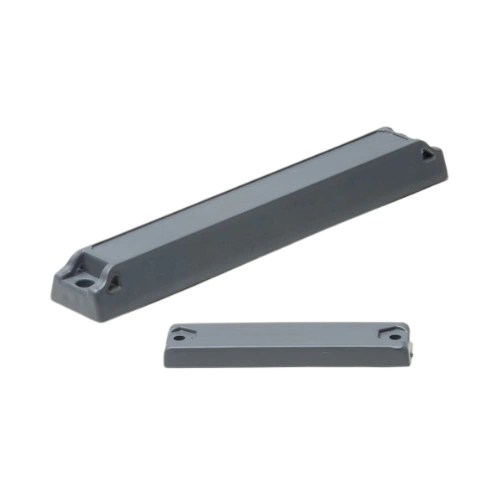
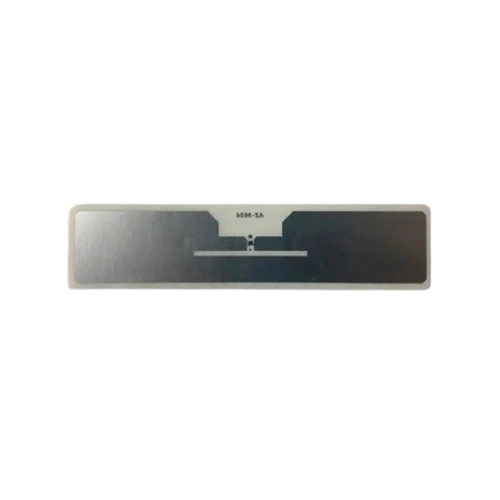
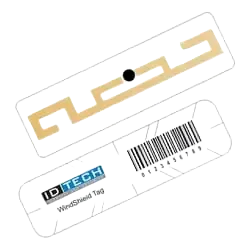
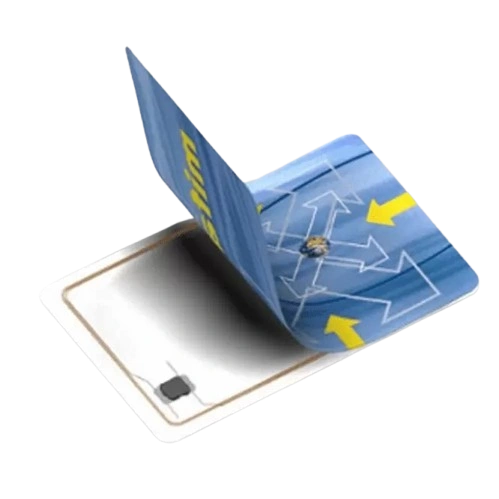
Assets, inventory, vehicles, or personnel are assigned unique Passive or Active RFID tags. Different tag types and form factors can be selected depending on the asset, environment, read range, and tracking requirement.
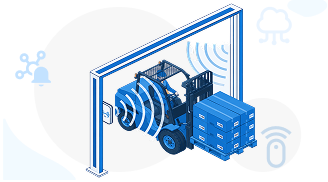
Passive RFID tags are detected when they enter an RFID reader's coverage area, enabling zone-level identification and movement tracking. Active RFID tags periodically transmit signals, allowing assets to be tracked across larger areas with more frequent location updates.
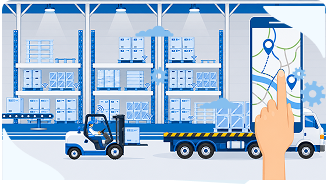
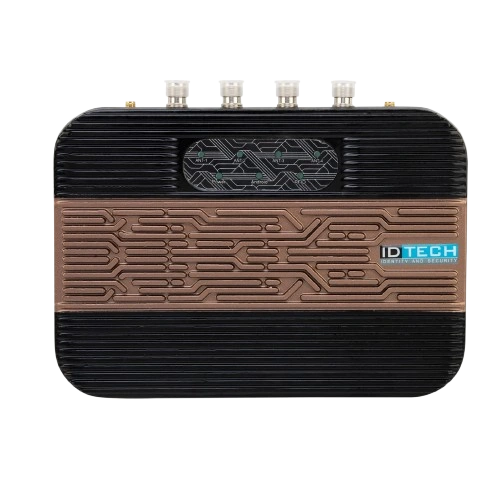
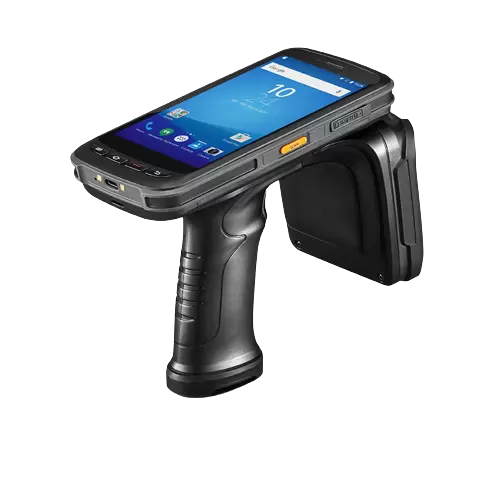
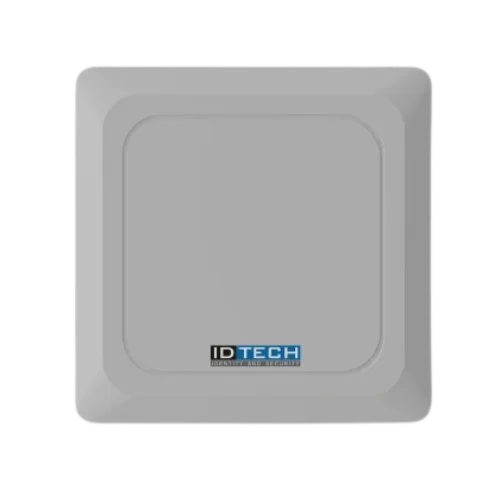
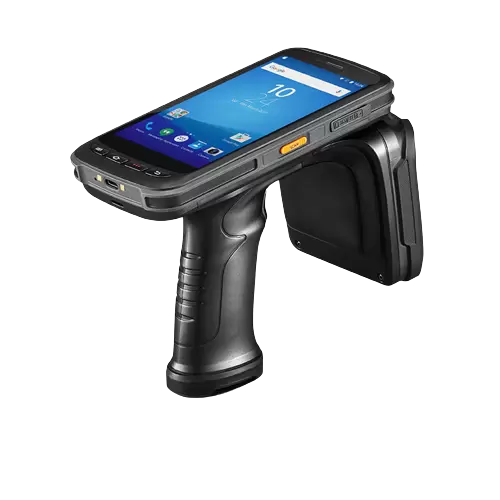
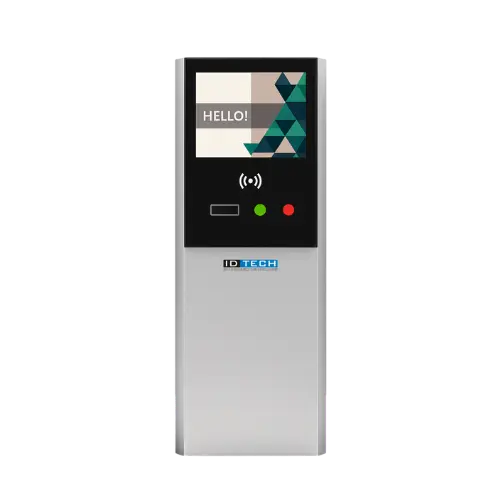
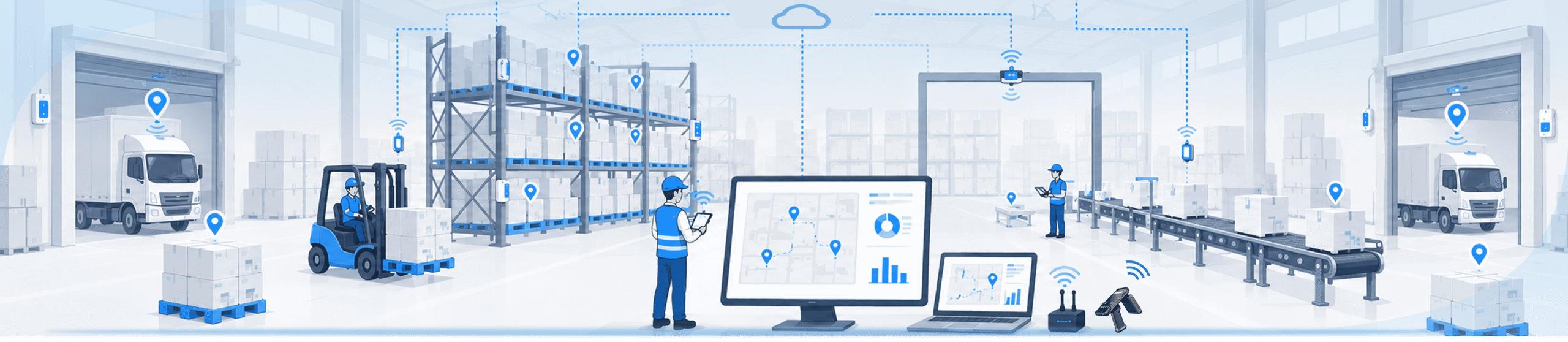
RFID readers, antennas, and gateways automatically capture tag IDs and movement events. Where more precise indoor positioning is required, BLE/AoA can be integrated, while GPS can support outdoor asset and vehicle tracking.
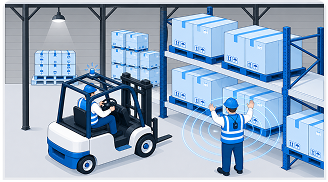
Captured data is processed by the RTLS platform to determine the current or last-known location, movement, entry/exit events, and status of tagged assets.
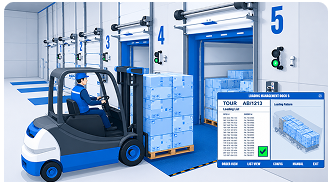
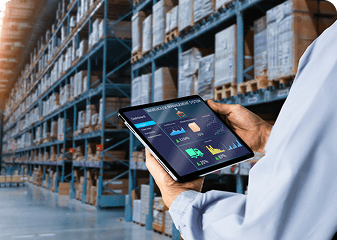
A centralized dashboard provides visibility into asset locations, movement history, inventory status, utilization, and activity logs. Reports can also be generated for audits, operational analysis, and asset management.
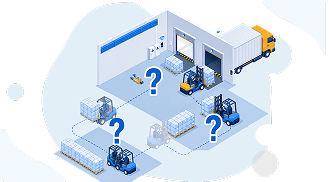
The system can generate alerts for unauthorized movement, assets leaving designated zones, missing equipment, or delayed movement. Tracking events can also trigger automated workflows or integrate with existing ERP, WMS, and asset management systems.

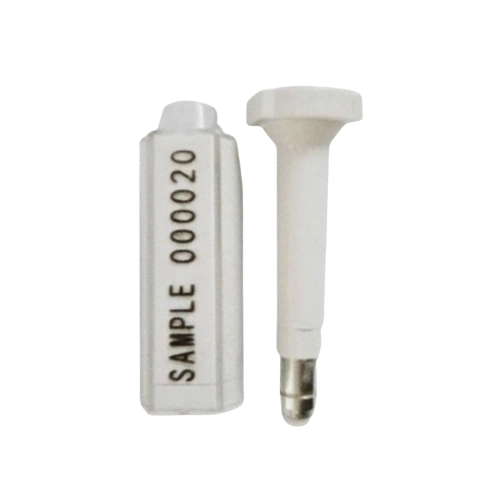
Tamper detection and unauthorized movement trigger real-time alerts through integrated sensors and APIs, notifying security personnel and logging events for audits.
RFID data feeds into centralized platforms like TOS or ERP systems, offering dashboards, role-based access, and cloud-based analytics for operational control and reporting.

AI-driven analytics use RFID data for predictive maintenance, identifying inefficiencies, and optimizing workflows, ensuring reduced downtime and enhanced productivity.

Instantly identify the current or last-known location of assets, equipment, vehicles, inventory, or personnel.

Reduce time spent searching for tools, equipment, materials, or other critical assets.

Maintain a complete record of where an asset has been, when it moved, and how long it remained at each location.

Identify idle, underused, or misplaced assets and improve allocation of equipment and resources.

Create virtual zones and receive alerts when assets or personnel enter, leave, or remain in restricted or designated areas.

Use real-time location and dwell-time data to identify bottlenecks, reduce unnecessary movement, and improve overall process flow.

Automate inventory processes and minimize dependency on manual stock verification, scanning, and data entry.
Improve inventory security and reduce losses caused by theft, misplacement, or inventory discrepancies.
Improve warehouse productivity, inventory management speed, and overall business performance through intelligent inventory automation.