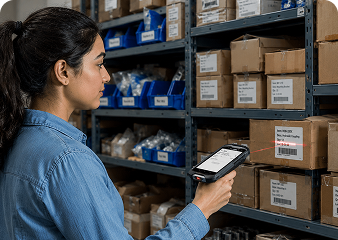


RFID enhances patient experience by reducing wait times, optimizing caregiver workflows, and enabling real-time patient identification and tracking. It ensures that patients receive timely care while empowering staff to focus more on delivering quality care rather than administrative tasks.

Gain increased visibility into asset management, enabling more efficient resource planning and minimizing equipment loss. RFID helps healthcare providers locate critical medical devices in real-time, ensuring they are available when and where they are needed.

Ensure healthcare staff has the supplies they need, exactly when and where they are required. RFID streamlines inventory processes, preventing shortages, reducing overstock, and improving supply chain efficiency, ensuring uninterrupted care delivery.

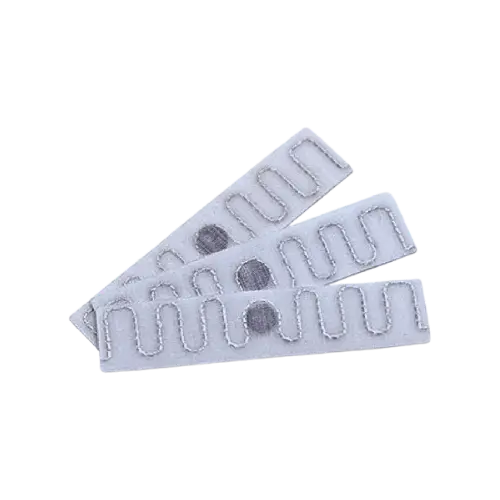
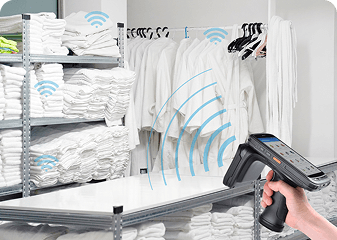
Track washable items like linens and uniforms with RFID tags to reduce loss, manage laundry cycles more efficiently, and match supply to demand. This ensures that healthcare facilities maintain proper hygiene standards and have adequate supplies available at all times.

In blood banks, RFID technology ensures proper tracking of blood products from donation to transfusion. RFID tags help monitor storage conditions, expiration dates, and inventory levels, reducing waste and ensuring that the right blood products are available when needed.

In the pharmaceutical industry, RFID is crucial for ensuring proper drug management and supply chain integrity. It enables real-time tracking of medications, preventing counterfeit drugs from entering the market, and ensuring that patients receive safe, authentic medications. RFID can also optimize inventory levels, helping to prevent stockouts and ensuring medications are available for patients when needed.

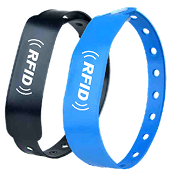
RFID wristbands assign a unique ID to each patient, ensuring accurate identification. Medical staff can scan RFID tags to access patient history, reduce identification errors, and enhance safety. Real-time tracking helps monitor patient movements, preventing unauthorized access and ensuring timely medical attention in critical situations.
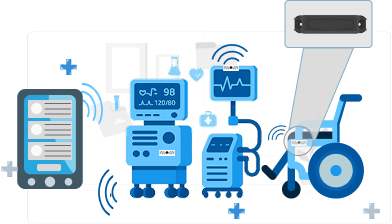
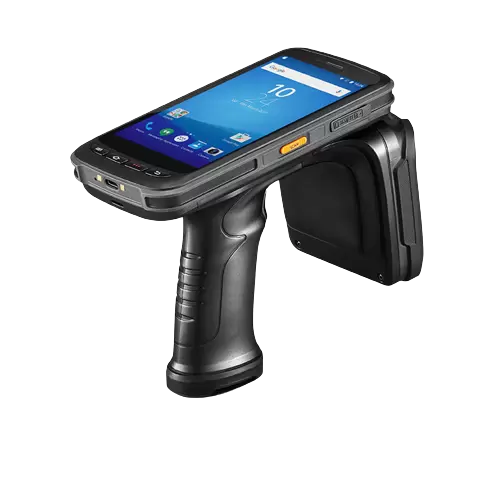
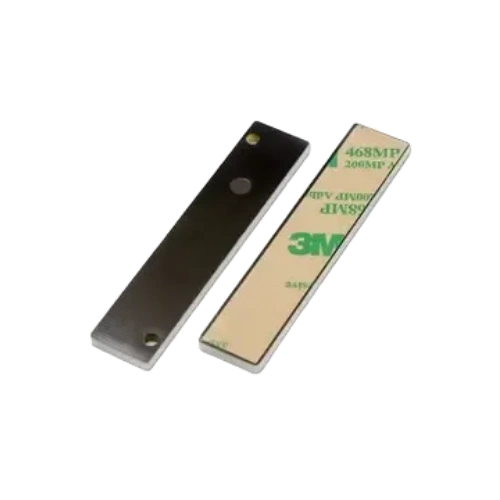
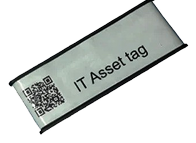
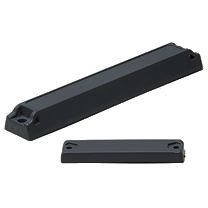
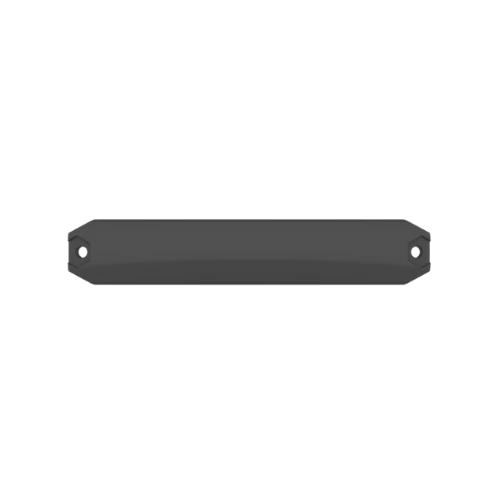
Hospitals tag medical equipment, beds, and supplies with RFID for seamless tracking. RFID readers continuously monitor asset locations, preventing misplacement or theft. Automated alerts notify staff about low-stock inventory or equipment in high demand, ensuring timely availability and reducing operational inefficiencies.
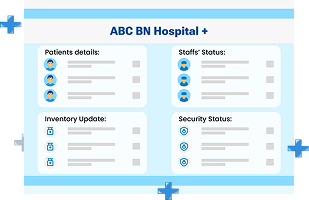
RFID badges track staff movements, access control, and shift management in real-time. Hospitals can monitor workforce efficiency, optimize nurse and doctor availability, and enhance security by restricting unauthorized access to sensitive areas. RFID-based attendance systems streamline payroll and scheduling, ensuring better workforce distribution.

RFID ensures accurate medication dispensing by tracking prescriptions from storage to patient administration. RFID-enabled inventory management reduces medication errors, prevents counterfeit drugs, and ensures timely stock replenishment. Alerts notify staff about expired or recalled drugs, improving patient safety and compliance with regulatory standards.

Newborns and high-risk patients wear RFID-enabled tags for enhanced security. These tags prevent infant mix-ups and unauthorized patient transfers. If a baby or patient is moved beyond authorized zones, the system triggers instant alerts, enabling immediate intervention and ensuring the highest level of care and security.
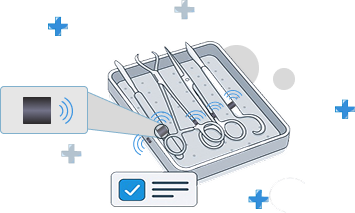
RFID tags are attached to surgical tools to ensure accurate instrument counts before, during, and after procedures. This minimizes the risk of retained surgical items, improves operating room efficiency, and supports sterilization tracking. Automated logs help maintain compliance with safety protocols and reduce manual errors in instrument management.

RFID technology automates the inventory counting process, eliminating the need for manual counts. This not only reduces human error but also ensures that healthcare facilities maintain optimal stock levels, preventing shortages and overstock situations.

With RFID, healthcare providers can swiftly and accurately locate essential equipment and supplies, ensuring immediate access when needed. This capability minimizes delays in patient care and enhances operational efficiency.

By streamlining workflows and providing real-time visibility into the availability of equipment and services, RFID significantly reduces patient wait times. This leads to a more efficient care process and an improved patient experience.

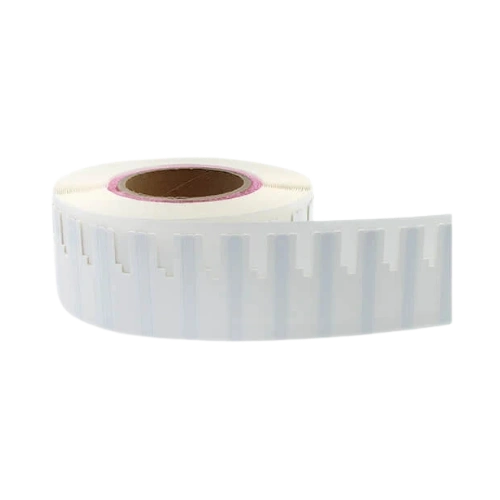
RFID tags simplify the tracking and management of laundry items, ensuring efficient handling and accurate inventory control. This minimizes loss, maintains hygiene standards, and allows healthcare facilities to respond quickly to linen and uniform needs.

In the pharmaceutical industry, RFID technology is instrumental in preventing counterfeit drugs from entering the supply chain. By enabling precise tracking and verification of medications, RFID enhances patient safety and helps maintain trust in the healthcare system.

RFID provides comprehensive visibility into the sourcing and distribution of medical assets and supplies. This transparency enables healthcare organizations to monitor inventory levels, track shipments, and ensure compliance with regulations, ultimately leading to better decision-making and operational efficiency.